India has a rich tradition of embroidery, with many different styles and techniques originating from different regions of the country. One such style is Gota Patti embroidery, which has its roots in the state of Rajasthan. This style of embroidery is known for its use of gold or silver ribbon, or ‘gota’, which is cut into different shapes and then appliquéd onto fabric.
History of Gota Patti Embroidery:
Gota Patti embroidery has been around for centuries, and its origins can be traced back to the Mughal era. During this time, the art of embroidery flourished in India, and many different styles and techniques were developed. Gota Patti embroidery is said to have been influenced by the Mughal tradition of zari work, which involved using gold and silver thread to embellish fabrics.
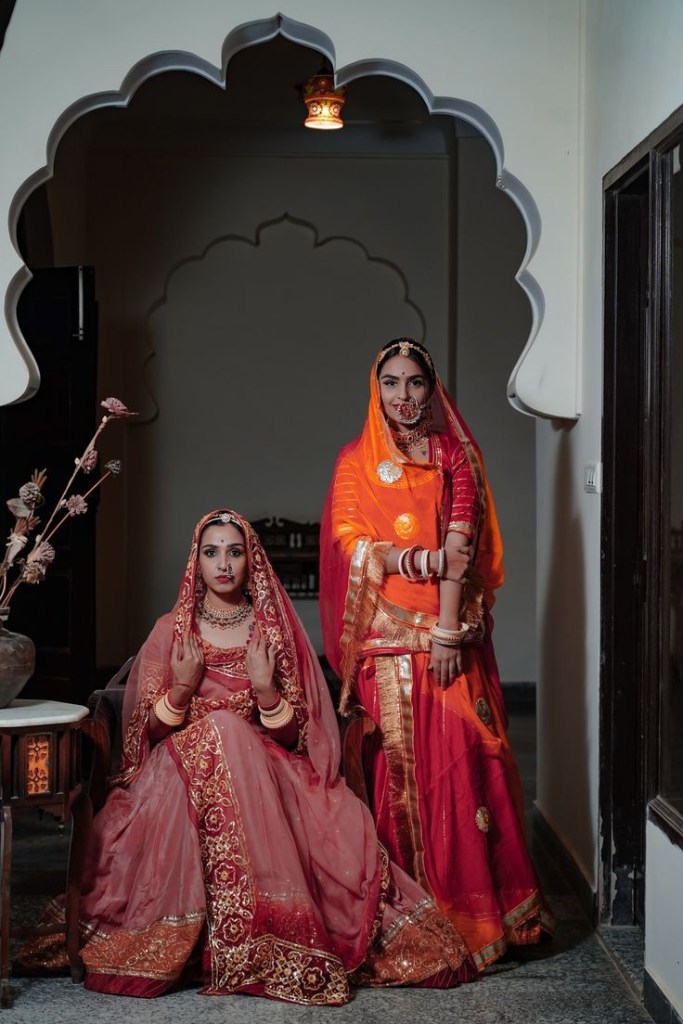
The use of gota, or gold or silver ribbon, in embroidery is said to have originated in the state of Rajasthan, which has a long history of textile arts. In Rajasthan, gota was originally used to embellish turbans worn by men, but over time it began to be used in women’s clothing as well. Gota work was particularly popular among the Rajput community, who were known for their love of luxury and opulence.
Technique:
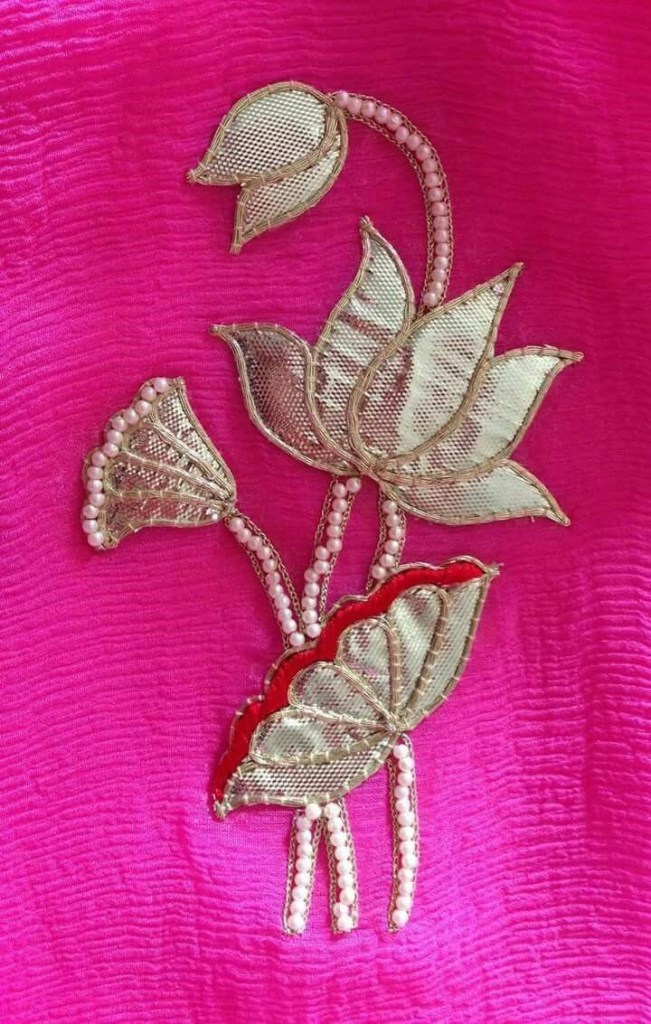
Gota Patti embroidery involves cutting small pieces of gold or silver ribbon into different shapes, such as circles, squares, or triangles. These pieces are then appliquéd onto fabric using a special technique that involves folding the edges of the gota and stitching them onto the fabric. The result is a three-dimensional effect that gives the embroidery a rich, luxurious look.
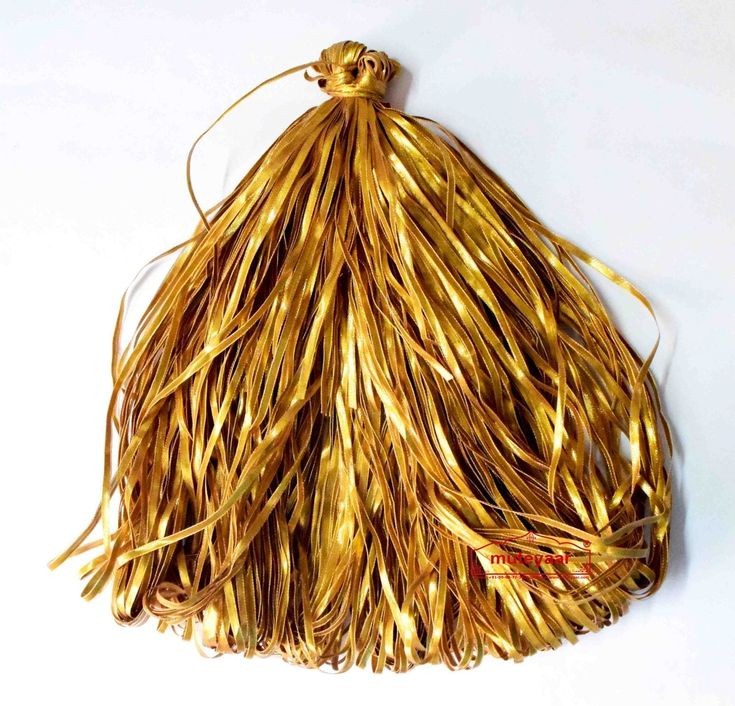
The gota used in Gota Patti embroidery is usually made of a thin strip of gold or silver foil wrapped around a cotton or silk thread. The foil is cut into narrow strips, which are then wound around a needle to create different shapes. The resulting shapes are then sewn onto the fabric, often in intricate patterns.
Contemporary Relevance:
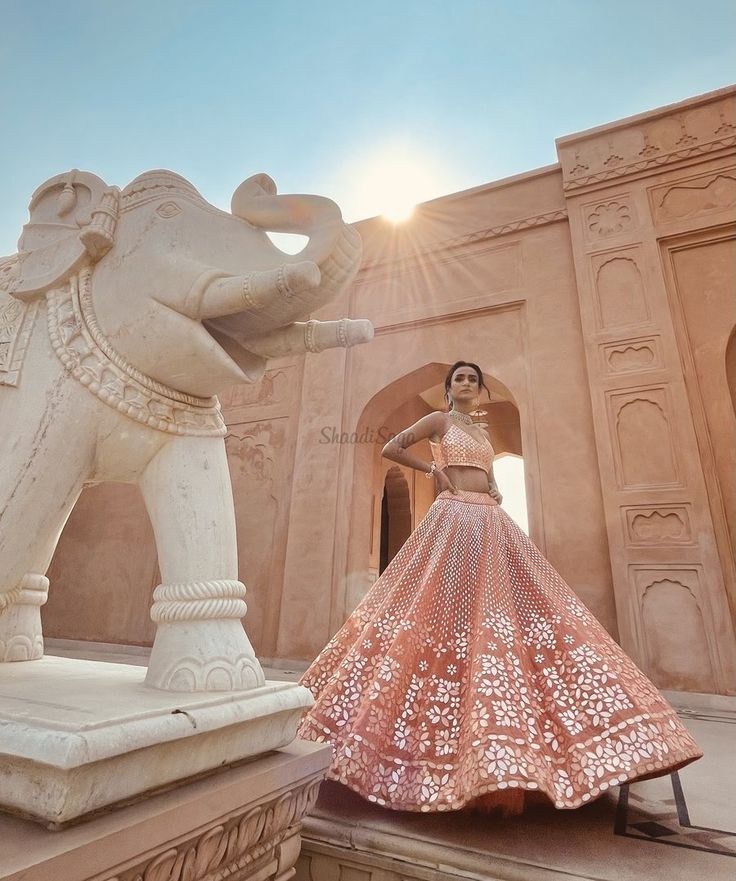
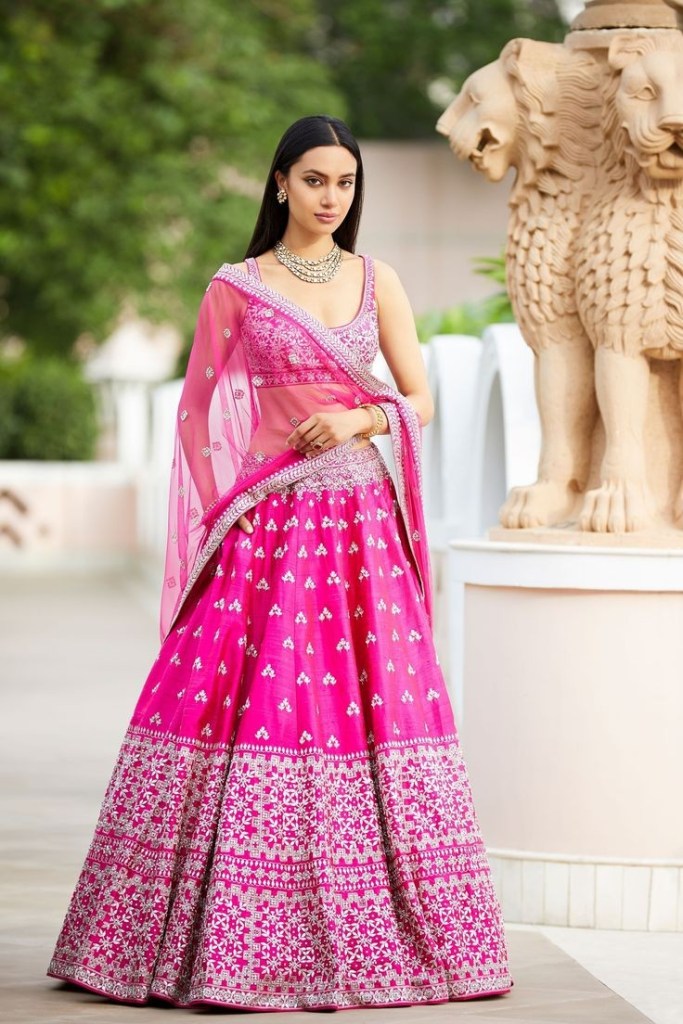
Gota Patti embroidery continues to be popular in Rajasthan and other parts of India, where it is used to embellish a variety of traditional garments, including lehengas, saris, and dupattas. In recent years, however, there has been a renewed interest in this style of embroidery among fashion designers and textile artists.
Many contemporary designers are incorporating Gota Patti embroidery into their collections, giving it a modern twist by using it in unexpected ways or combining it with other techniques. For example, designer Sabyasachi Mukherjee is known for his use of Gota Patti embroidery in his bridal wear collections, while designer Manish Malhotra has used it to create dramatic, statement-making pieces.
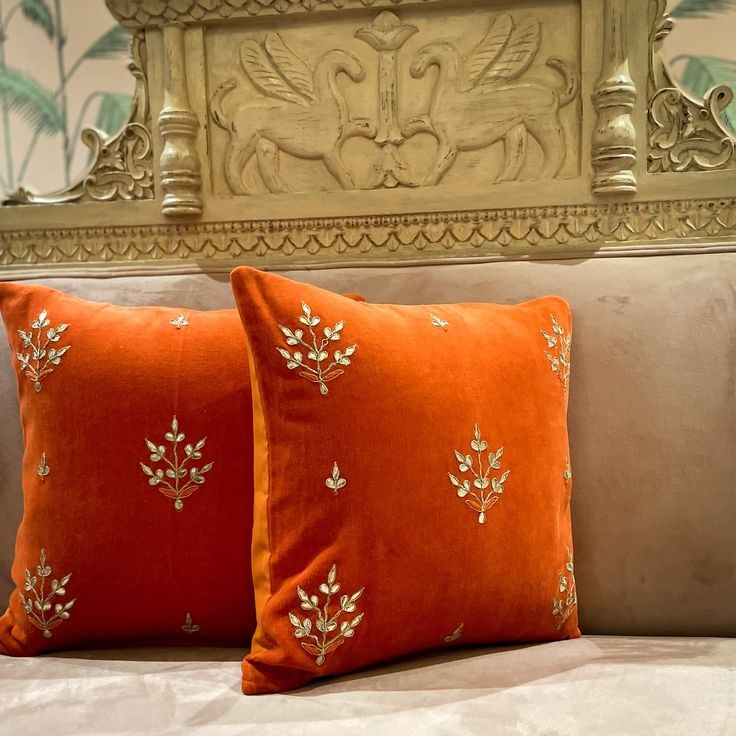
In addition to its use in fashion, Gota Patti embroidery is also being used in home decor and accessories. Cushion covers, table runners, and bedspreads are just a few of the items that can be embellished with this intricate embroidery.
 A Little This and That of Life