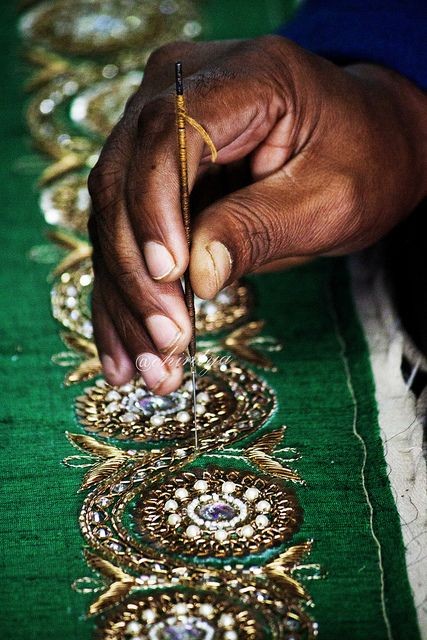
Zari embroidery, also known as Zardozi, is an intricate form of embroidery that originated in India during the Mughal era. It involves the use of gold and silver threads to create elaborate designs on fabrics such as silk, velvet, and brocade. Zari embroidery has been a part of Indian culture for centuries, and it continues to be a popular and revered form of embroidery today.
History of Zari Embroidery
The origins of Zari embroidery can be traced back to the Mughal era in India, which lasted from the early 16th century to the mid-19th century. The Mughals were known for their love of luxury and opulence, and Zari embroidery was one way in which they expressed this love. The embroidery was originally done by hand, with skilled artisans painstakingly stitching the metallic threads onto fabrics.
During the Mughal era, Zari embroidery was used to adorn the clothing of the rich and powerful. Kings, queens, and other members of the royal court wore garments embellished with Zari embroidery, as did wealthy merchants and other members of the upper class. The embroidery was also used to decorate tapestries, wall hangings, and other decorative items.
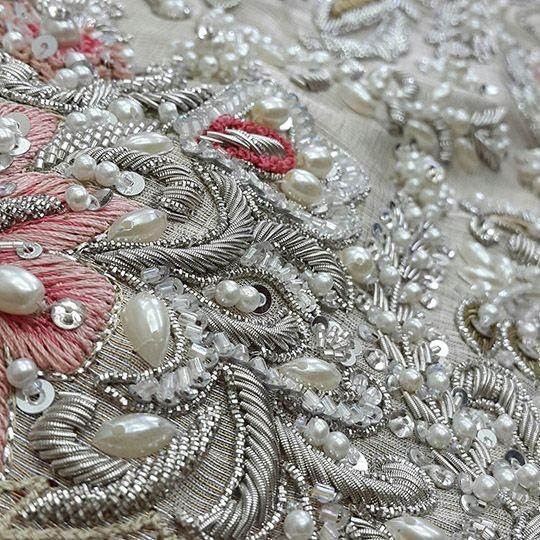
Over time, the art of Zari embroidery spread throughout India, and different regions developed their own unique styles. In some regions, the embroidery was done using real gold and silver threads, while in others, cheaper imitation threads were used. Today, Zari embroidery continues to be a part of Indian culture, with skilled artisans producing beautiful and intricate designs using a variety of techniques.
Contemporary Relevance of Zari Embroidery
While Zari embroidery has a long and rich history in India, it continues to be relevant in contemporary society. Many designers and fashion houses incorporate Zari embroidery into their designs, creating modern garments that pay homage to India’s rich cultural heritage. Zari embroidery is particularly popular in bridal wear, with many brides opting for heavily embroidered sarees, lehengas, and other traditional garments.
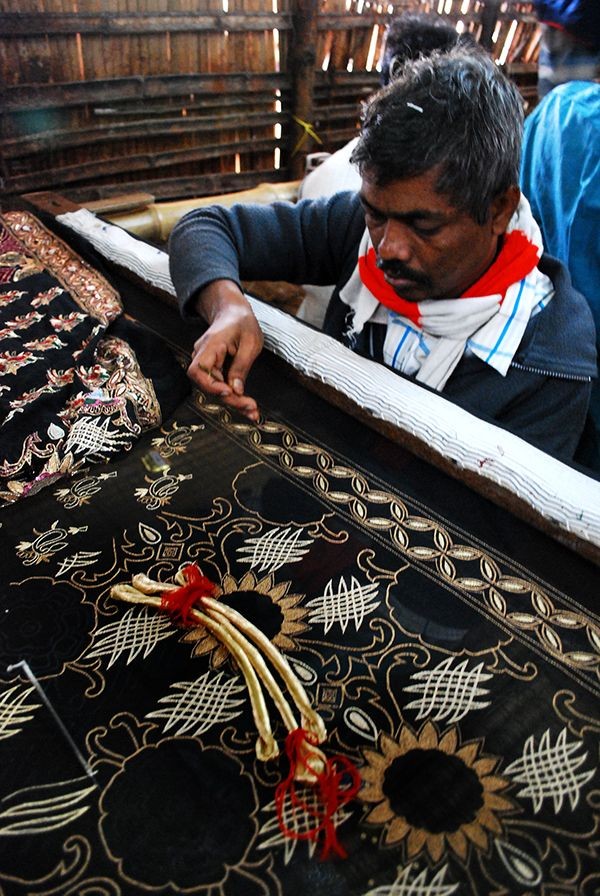
Zari embroidery is also an important source of livelihood for many artisans in India. While the art of Zari embroidery has been passed down through generations, it is becoming increasingly difficult for artisans to make a living from it. With the rise of cheap, mass-produced textiles, many consumers are opting for cheaper, machine-made garments rather than traditional handcrafted pieces.
To address this challenge, many NGOs and other organizations are working to support the artisans who practice Zari embroidery. By providing training, materials, and marketing support, these organizations are helping to ensure that this beautiful and intricate art form continues to thrive in India.
 A Little This and That of Life