Chikankari embroidery is a form of hand embroidery that originated in Lucknow, India. It is a delicate and intricate form of embroidery that is done on lightweight cotton fabric, and is known for its intricate patterns and motifs. Chikankari embroidery has a rich history that dates back to the Mughal era, and it continues to be popular today, not just in India, but also around the world.
Origins and History of Chikankari Embroidery
The origins of Chikankari embroidery can be traced back to the Mughal era in India, during the reign of Emperor Akbar in the 16th century. It is believed that the embroidery was first introduced in Lucknow by Nur Jahan, the wife of Emperor Jahangir. The Mughal rulers were known for their love of art and culture, and Chikankari embroidery soon became popular among the royal households.
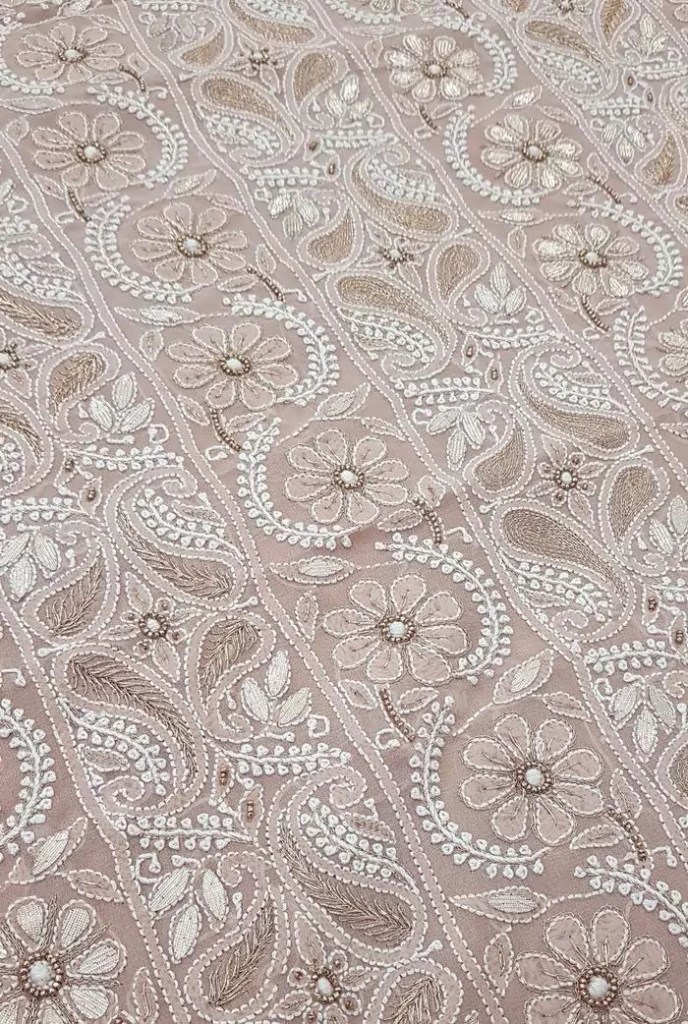
The word ‘Chikankari’ is derived from the Persian word ‘Chikan’, which means ’embroidery’. The embroidery was traditionally done on white cotton fabric, and it was done using a needle and white thread. The motifs used in Chikankari embroidery were inspired by nature, and included flowers, leaves, vines, and birds.
Chikankari embroidery was not just limited to clothing. It was also used to decorate household items such as bedspreads, curtains, and tablecloths. The embroidery was also used to make caps and handkerchiefs for men, which were called ‘Topis’ and ‘Rumals’ respectively.
Over time, Chikankari embroidery became popular among people of all classes, and it soon became a symbol of Lucknowi culture. The embroidery was done by skilled artisans who passed on their knowledge and techniques from one generation to the next.
How Chikankari Embroidery is Done
Chikankari embroidery is done using a needle and thread, and it requires a lot of skill and patience. The embroidery is done on lightweight cotton fabric, and it is usually done on white or pastel-colored fabric. The fabric is first stretched on a frame to keep it taut, and then the embroidery begins.
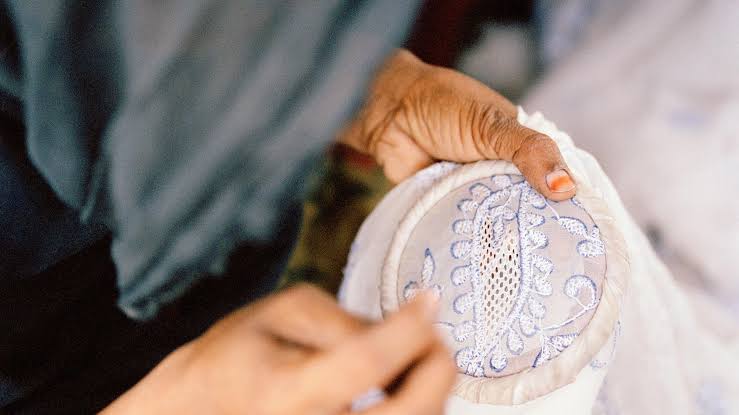
The embroidery is done using a variety of stitches, including the running stitch, chain stitch, satin stitch, and buttonhole stitch. The stitches are used to create intricate patterns and motifs, such as flowers, leaves, vines, and birds.
One of the most important aspects of Chikankari embroidery is the use of transparent fabrics, which allows the embroidery to be seen from both sides. The embroidery is done on the reverse side of the fabric, which means that the design must be done backwards.
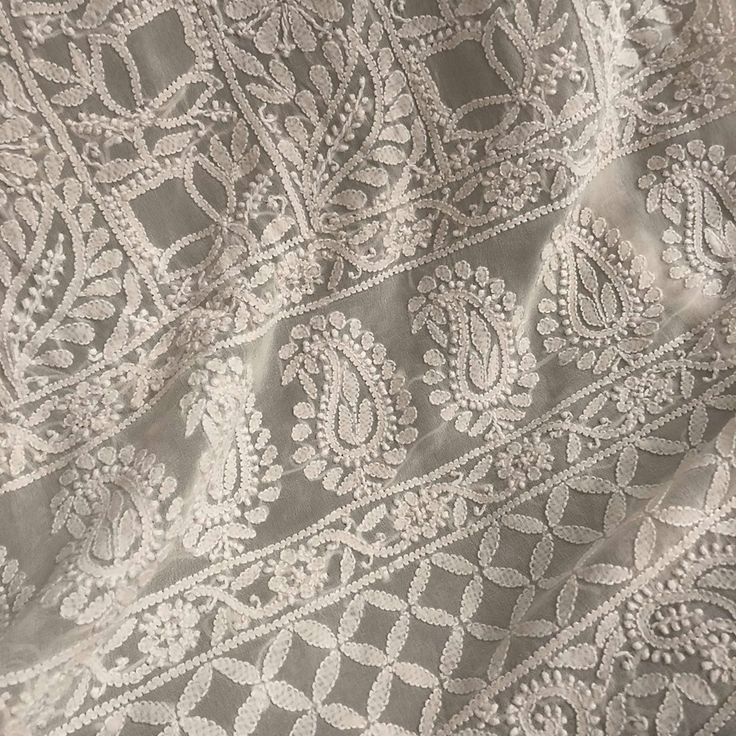
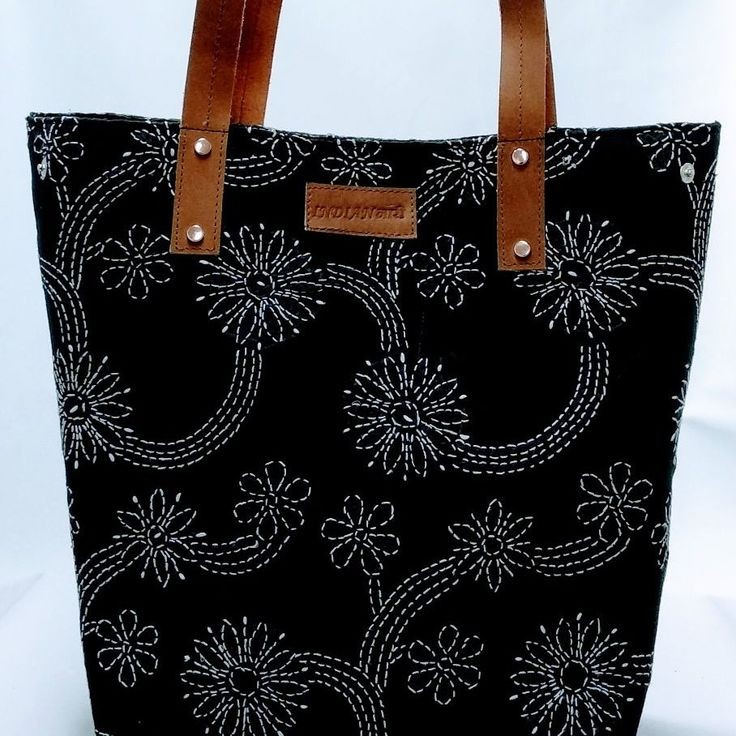
Today, Chikankari embroidery is still popular in Lucknow and other parts of India. It is also popular in other countries, such as Pakistan, where it is known as ‘Chikan Kari’. The embroidery is used not just on clothing, but also on accessories such as bags, shoes, and jewelry.
Chikankari embroidery is also becoming popular among fashion designers, who are incorporating the embroidery into their collections. The embroidery has been seen on the runways of top fashion shows, and it has been worn by celebrities such as Kate Middleton, who wore a Chikankari dress during her visit to India.
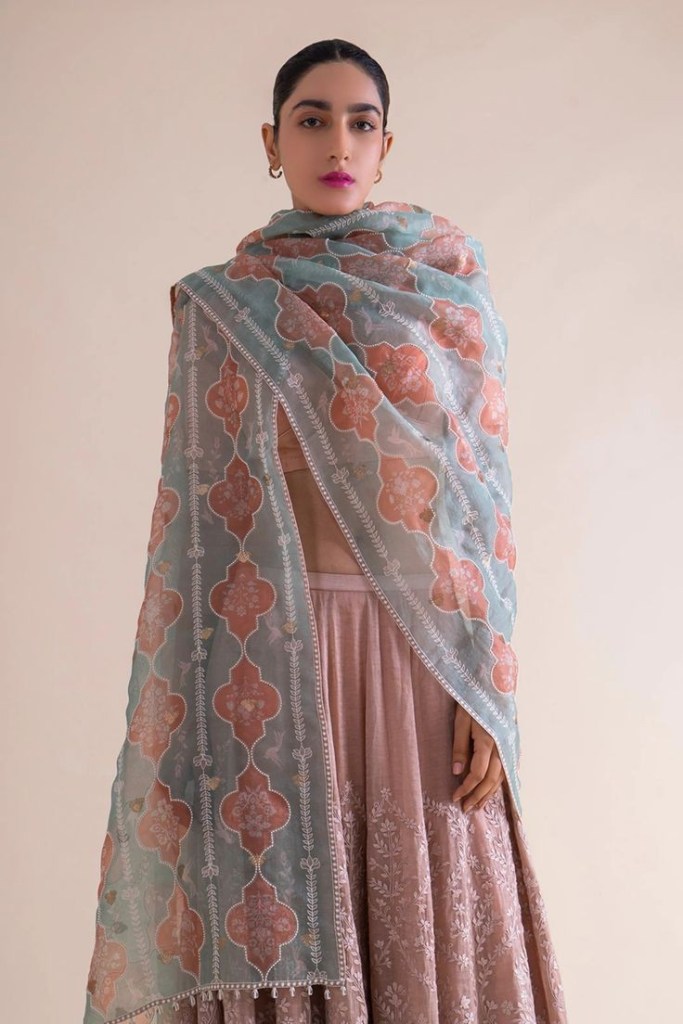
Chikankari embroidery is not just a form of art, but it is also an important part of Indian culture and tradition. The embroidery has a rich history that has been passed down from generation to generation, and it continues to be an important part of Indian fashion and design today.
Chikankari embroidery has evolved over time, and it is now being used in contemporary fashion and design. The embroidery is being used not just on clothing, but also on accessories such as bags, shoes, and jewelry.
 A Little This and That of Life