Phulkari embroidery is a traditional art form of Punjab, India, known for its vibrant colors, intricate designs, and cultural significance. Phulkari literally means ‘flower work,’ and it is a form of hand embroidery that involves creating intricate floral patterns on a piece of fabric using brightly colored threads. Phulkari embroidery is a popular form of textile art in Punjab, and it is used to decorate shawls, scarves, dupattas, and other garments.
History of Phulkari Embroidery:
The origin of Phulkari embroidery is uncertain, but it is believed to have originated in the Punjab region of India and Pakistan during the 15th century. The art form was initially practiced by rural women as a form of expression and decoration for everyday clothing. The rural women would make the Phulkari embroidery during their free time or in the evenings, and it was primarily done for their own personal use.
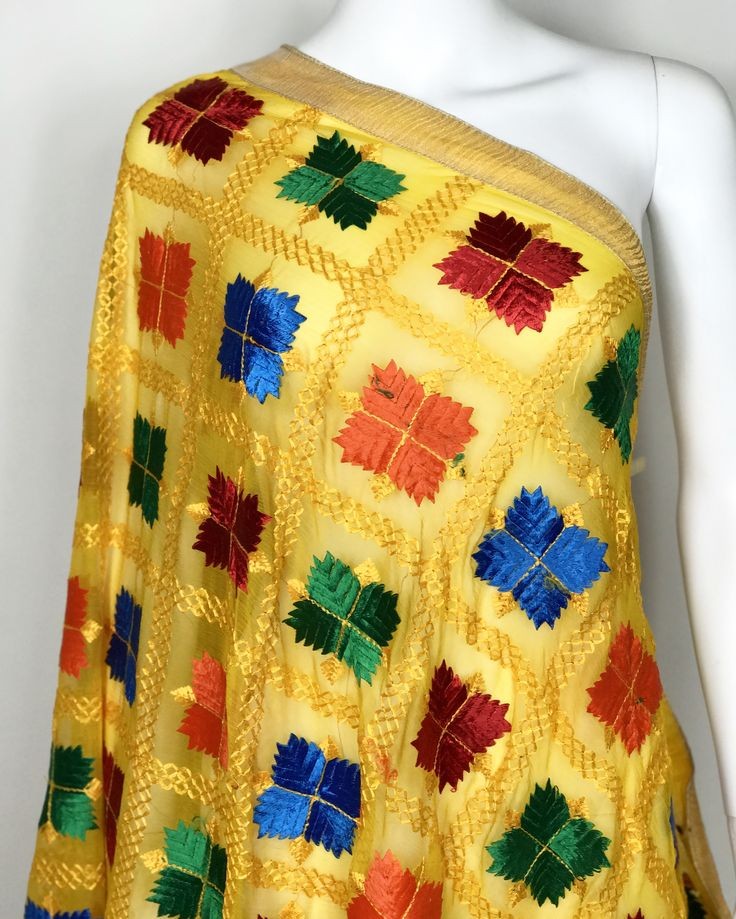
During the 19th century, Phulkari embroidery gained popularity and became a fashion statement in Punjab. The wealthy families would commission the embroidery to decorate their clothing, and it was also gifted to brides as a part of their trousseau. The embroidery was passed down from mother to daughter, and it became a symbol of cultural identity and heritage.
Types of Phulkari Embroidery:
There are different types of Phulkari embroidery, and each type is characterized by its unique design and color scheme.
Bagh Phulkari: Bagh Phulkari is one of the most intricate and complex forms of Phulkari embroidery. It is a style of embroidery where the entire cloth is covered with embroidery, leaving no empty spaces. The embroidery is done using silk threads, and the designs are usually floral.
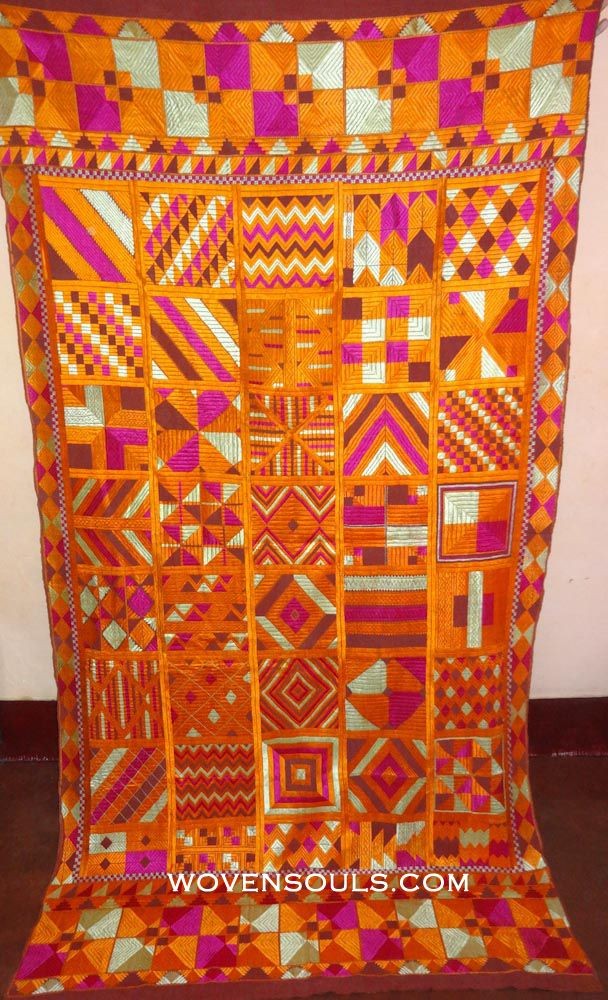
Chope Phulkari: Chope Phulkari is a style of embroidery where the embroidery is done only on the border of the cloth, leaving the rest of the cloth plain. The embroidery is usually done using bright colored threads.
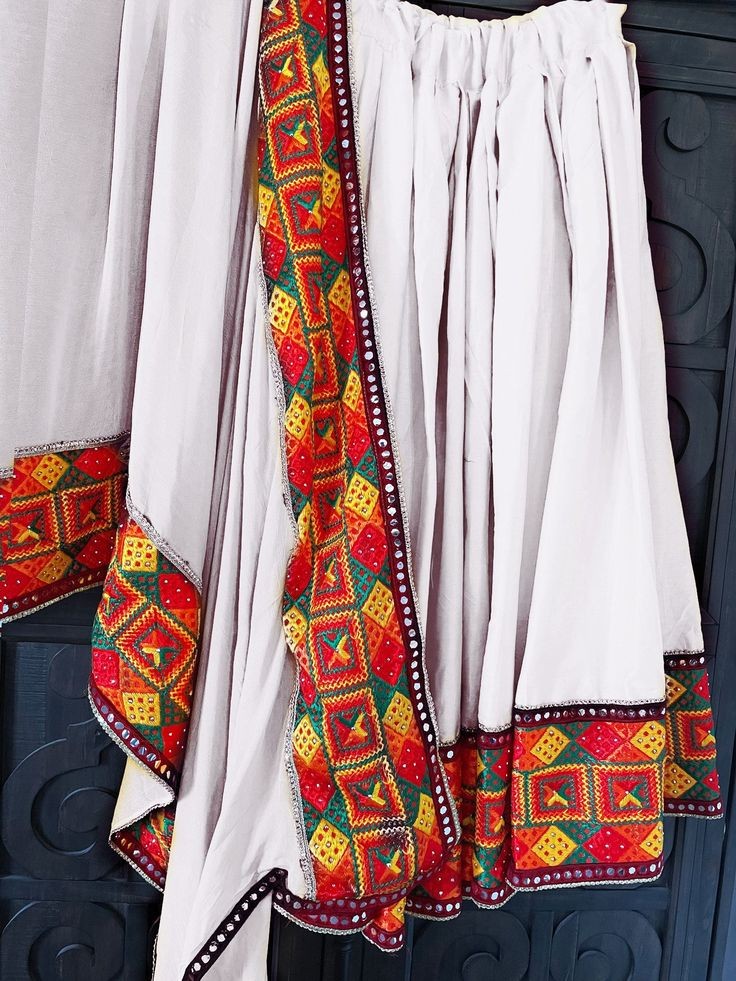
Suber Phulkari: Suber Phulkari is a style of embroidery where the embroidery is done using white threads on a white or cream-colored cloth. The designs are usually geometric, and the embroidery is done using a double running stitch.
Thirma Phulkari: Thirma Phulkari is a style of embroidery where the embroidery is done using white or cream-colored threads on a colored cloth. The embroidery is usually done using a double running stitch.
The Process of Phulkari Embroidery:
The process of Phulkari embroidery is a laborious and time-consuming task that requires skill, patience, and attention to detail. The embroidery is done using a needle and brightly colored threads made from silk, cotton, or wool. The fabric used for the embroidery is usually cotton or silk, and it is first washed and starched to make it stiff.
The process of creating Phulkari embroidery involves several steps, which are as follows:
Design: The first step in Phulkari embroidery is to create a design on the fabric. The design is usually drawn with a pencil or charcoal on the fabric. The design can be a pre-drawn pattern or a freehand drawing, depending on the artist’s skill level and preference.
Outline: Once the design is drawn on the fabric, the next step is to create an outline of the design. The outline is created using a running stitch. The stitch is worked from the back of the fabric to create a neat and uniform line.
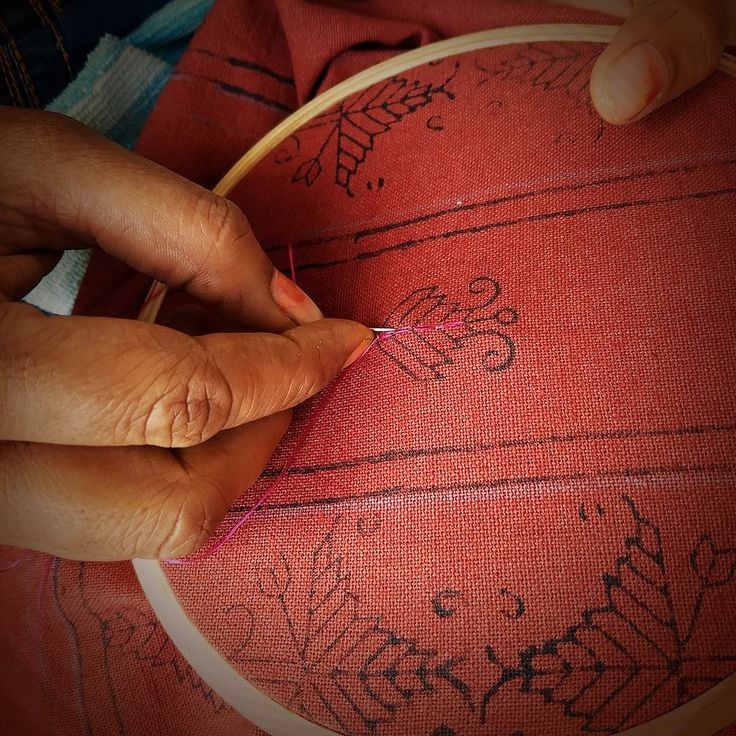
Filling: Once the outline is complete, the next step is to fill in the design with thread. The filling can be done using a variety of stitches, including satin stitch, chain stitch, or long and short stitch. The choice of stitch depends on the artist’s preference and the design of the Phulkari embroidery.
Finishing: Once the embroidery is complete, the fabric is washed to remove any markings or starch. The embroidery is then ironed to give it a neat and finished look.
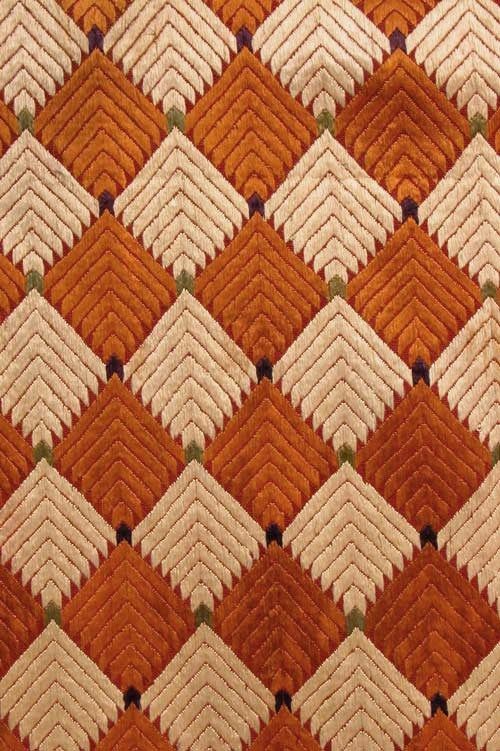
The above process is a basic outline of how Phulkari embroidery is done. However, there are several variations of Phulkari embroidery, such as Bagh Phulkari, where the entire fabric is covered with embroidery, leaving no empty spaces. In Bagh Phulkari, the filling is done using a double running stitch, and the fabric is completely covered with bright and colorful threads.
 A Little This and That of Life