Aari embroidery, also known as Tambour embroidery or Zari work, is a traditional form of embroidery that originated in the Indian subcontinent. It involves the use of a hooked needle, called an aari, to create intricate designs on fabric.
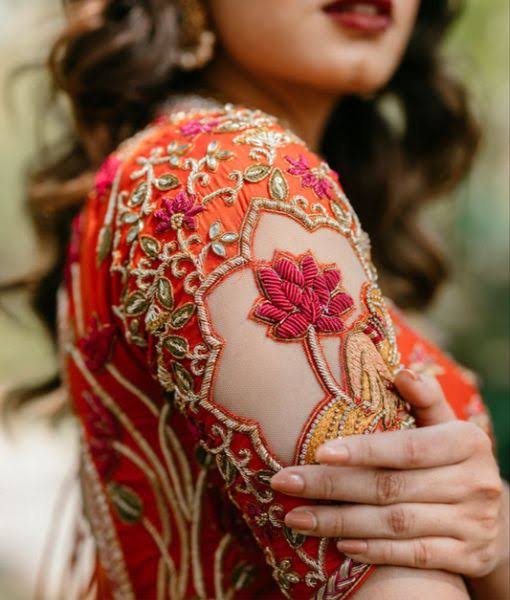
History of Aari Embroidery
The art of Aari embroidery has been practiced for centuries in the northern region of India, particularly in the states of Punjab and Rajasthan. It is believed to have originated in Persia and was introduced to India during the Mughal period in the 16th century.
During this time, Aari embroidery was considered a prestigious art form and was used to adorn the clothing of royalty and nobility. The embroidery was often made using gold and silver threads, which were expensive and difficult to obtain, making the garments adorned with this embroidery highly valued.
Over time, the art of Aari embroidery spread throughout India and became popular among both the wealthy and the common people. It has since become a symbol of the country’s rich cultural heritage and is still widely practiced today.
Techniques and Materials Used in Aari Embroidery
Before we get into the process of aari embroidery, let’s first discuss the materials used in this technique. Here are the materials you will need:
Fabric: Aari embroidery can be done on a variety of fabrics, including cotton, silk, and chiffon.
Aari needle: The aari needle is a small, pointed needle that is hooked at the end. It is usually made of steel or brass.
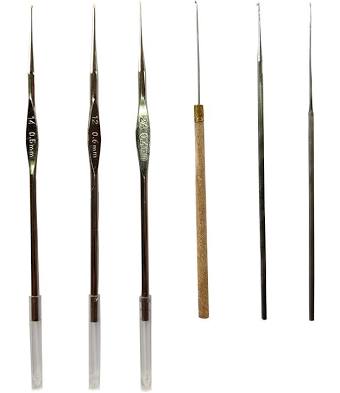
Thread: The thread used in aari embroidery is typically made of silk or cotton. It comes in a variety of colors to match the design.
Frame: A frame is used to hold the fabric in place while you embroider. The frame can be made of wood or plastic and comes in a variety of sizes.
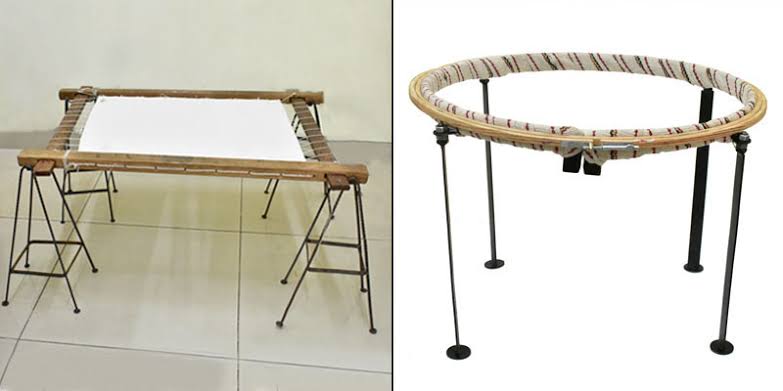
Beads and sequins: These are optional embellishments that can be added to the design for a more decorative effect.
The Aari Embroidery Process
Now that we have discussed the materials, let’s dive into the process of aari embroidery.
Step 1: Preparing the Fabric
The first step in aari embroidery is to prepare the fabric. This involves washing and ironing the fabric to remove any wrinkles or dirt. Once the fabric is clean and dry, it is stretched tightly over the frame.
Step 2: Choosing the Design
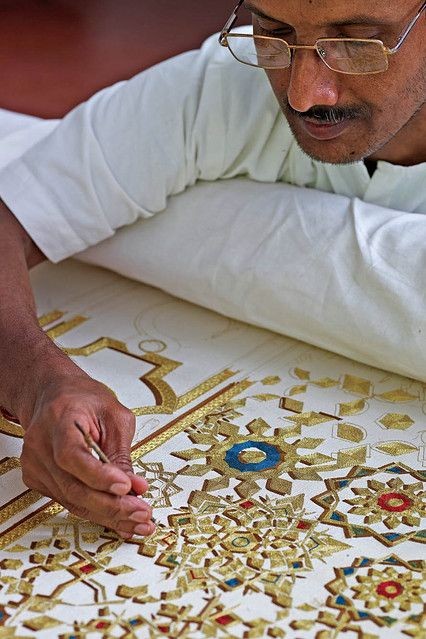
The next step is to choose the design. Aari embroidery typically features intricate and detailed designs, with floral motifs and geometric patterns being the most common. The design can be drawn onto the fabric using a pencil or transferred onto the fabric using a transfer paper.
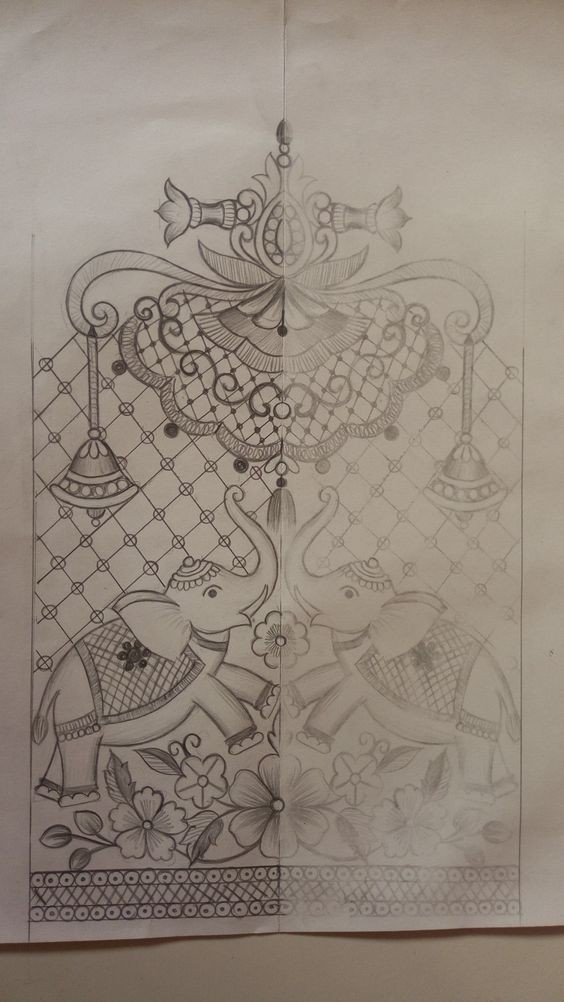
Step 3: Thread the Needle
Once you have your design in place, it’s time to thread the needle. The thread is usually threaded through the eye of the needle and then tied onto the needle.
Step 4: Begin Embroidering
To begin embroidering, hold the aari needle in one hand and the thread in the other. Push the needle through the fabric from the underside and then pull it up through the surface. This creates a loop on the surface of the fabric. Use your thumb to hold the loop in place and then use the needle to create another loop next to the first one. Continue creating loops in this manner until you have completed the design.
Step 5: Adding Embellishments
Once you have completed the embroidery, you can add embellishments if desired. This may include beads, sequins, or mirrors. These embellishments are usually added by hand and are sewn onto the surface of the fabric.
Step 6: Finishing the Embroidery
Once the embroidery is complete, remove the fabric from the frame and trim any excess thread. If necessary, the fabric can be washed and ironed again to remove any marks left by the frame.
Uses of Aari Embroidery
Aari embroidery is used to decorate a wide range of fabrics, including clothing, home decor items, and accessories. It is commonly used in the creation of bridal wear, such as saris and lehengas, as well as in the decoration of household items such as bedspreads, cushion covers, and tablecloths.
In addition to its decorative uses, Aari embroidery is also used to create functional items such as bags and purses. These items often incorporate the traditional motifs and designs used in Aari embroidery and are popular among tourists and collectors.
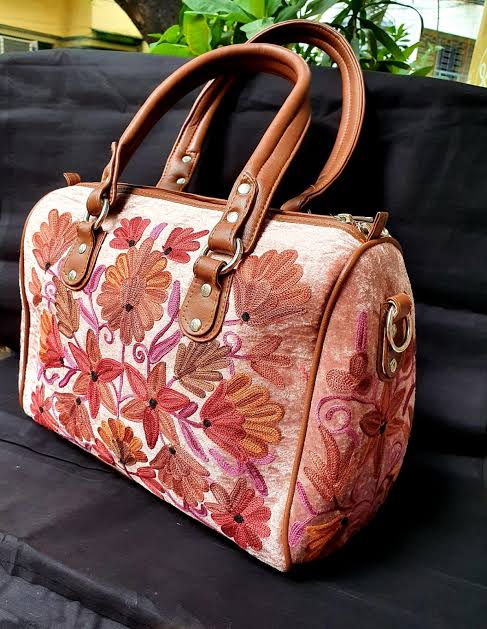
The art of Aari embroidery has also been adapted for modern fashion, with designers incorporating the embroidery into their collections. It has become particularly popular in Western fashion, with designers such as Stella McCartney and Valentino incorporating Aari embroidery into their designs
Aari embroidery is a time-consuming and intricate process that requires great skill and patience. However, the end result is a beautiful piece of embroidered fabric that can be used for a variety of purposes. Whether you are creating a bridal sari or a decorative pillowcase, aari embroidery is a technique that adds a touch of elegance and sophistication to any project.
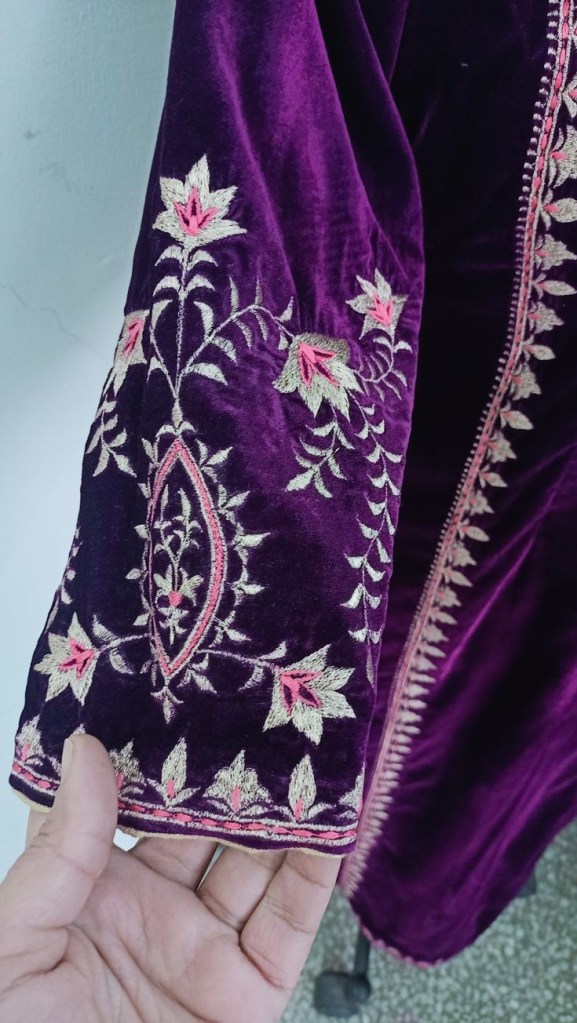
Today, Aari embroidery remains a symbol of India’s rich cultural heritage and is widely practiced throughout the country. It has also gained popularity in Western fashion, with designers incorporating the embroidery into their collections. As such, Aari embroidery is a timeless art form that continues to evolve and adapt to new trends and styles.
 A Little This and That of Life