Kantha embroidery is a traditional form of embroidery that originated in Bengal, a region that spans both Bangladesh and the Indian state of West Bengal. The word “Kantha” refers to the simple running stitch that is used to create the intricate designs that characterize this type of embroidery.
The origins of Kantha embroidery can be traced back to rural Bengal, where it was practiced by women in their homes. Originally, Kantha embroidery was used to create blankets and other household items, but over time it has evolved into a highly sought-after form of textile art that is prized for its beauty and craftsmanship.
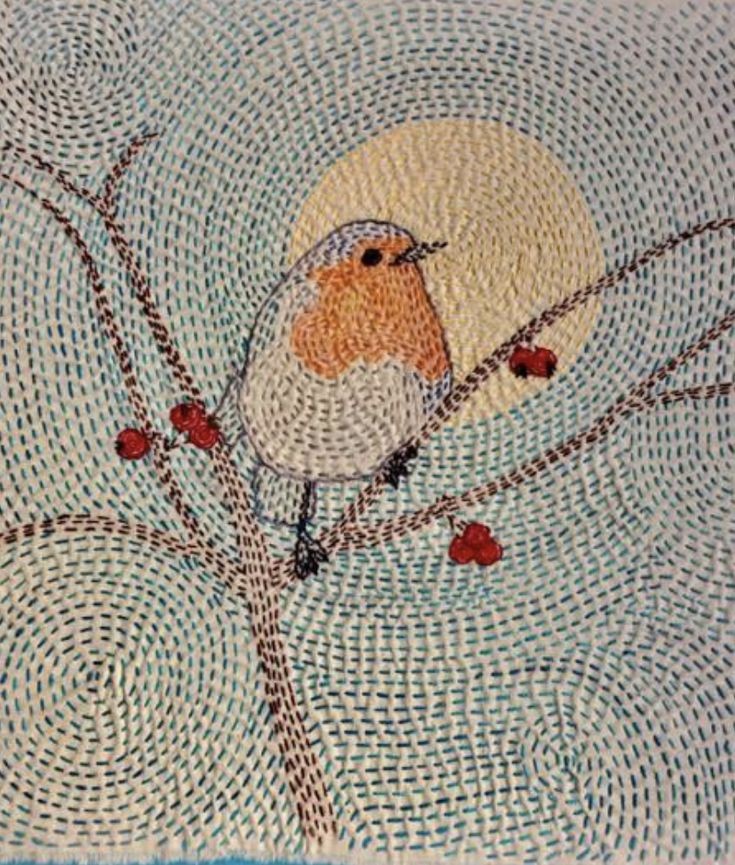
Historically, Kantha embroidery was used to create practical items such as quilts, shawls, and clothing. The technique was passed down from generation to generation, with mothers teaching their daughters the art of Kantha embroidery as part of their cultural heritage. The embroidery was typically done on old pieces of cloth, such as saris, dhotis, and lungis, which were then sewn together to create a larger piece.
Kantha embroidery is characterized by the use of simple running stitches, which are used to create a variety of intricate designs. The stitches are usually done in a single color, although multiple colors can be used to create a more elaborate design. The designs often feature floral motifs, birds, animals, and geometric patterns.
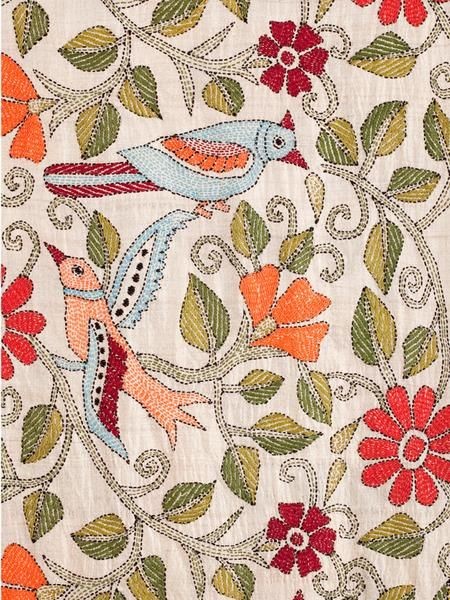
The traditional colors used in Kantha embroidery are red, blue, yellow, and green, which are derived from natural sources such as leaves, flowers, and roots. The embroidery is done using a needle and thread, and the fabric is held taut using a wooden frame.
In recent years, Kantha embroidery has gained popularity in the global fashion industry, with designers incorporating the traditional embroidery into their clothing lines. The intricate designs and vibrant colors of Kantha embroidery make it a popular choice for everything from scarves and shawls to dresses and jackets.
One of the most famous proponents of Kantha embroidery is the Indian artist and designer, Sabyasachi Mukherjee. Sabyasachi is known for his use of traditional Indian textiles and techniques in his designs, and he has helped to popularize Kantha embroidery around the world.
Kantha embroidery has a rich cultural history that is tied to the social and economic conditions of rural Bengal. The technique was developed as a way for women to recycle old fabrics and create new, functional items for their households. Today, Kantha embroidery continues to be an important part of the cultural heritage of Bengal, and it is celebrated for its beauty, craftsmanship, and historical significance.
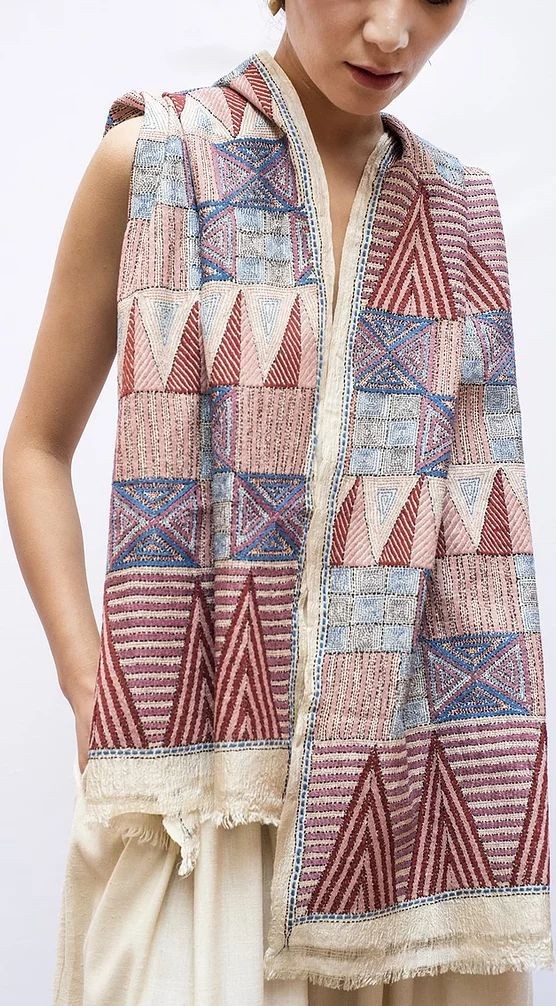
Materials Used in Kantha Embroidery:
The materials used in Kantha embroidery are simple and readily available. Traditionally, kantha embroidery was done on cotton or silk fabrics, but today, it is also done on synthetic fabrics. The thread used for Kantha embroidery is usually cotton or silk, although sometimes wool or other materials are used as well. The needles used for Kantha embroidery are typically thin, sharp, and long.
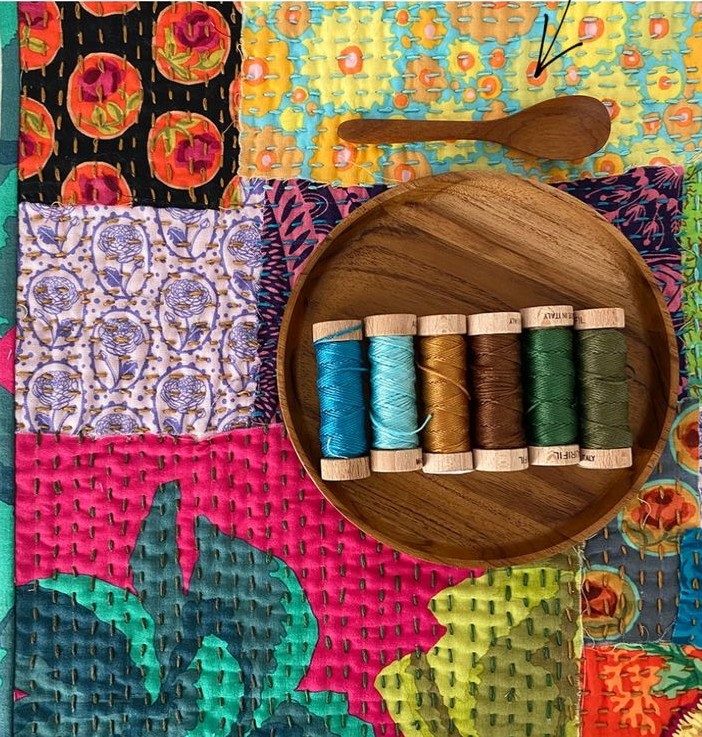
Techniques Used in Kantha Embroidery:
Kantha embroidery involves several techniques, each with its own unique style and purpose. The following are the most common techniques used in Kantha embroidery:
Running stitch: The running stitch is the most basic stitch used in Kantha embroidery. It is a simple stitch that is used to create straight lines, outline shapes, and fill in areas.
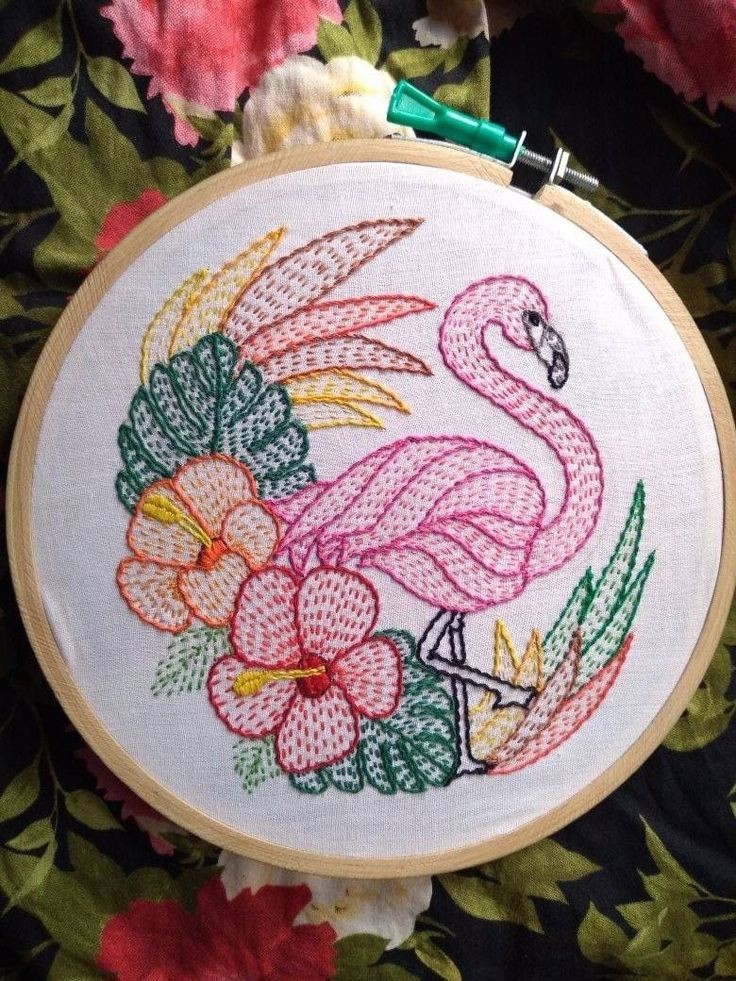
Holbein stitch: The Holbein stitch, also known as the double running stitch, is used to create intricate designs and patterns. This stitch is done by stitching two rows of running stitch in opposite directions, so that the stitches interlock and create a solid line.

Satin stitch: The satin stitch is used to fill in large areas with solid color. It is a stitch that is worked back and forth across the fabric to create a smooth, even surface.
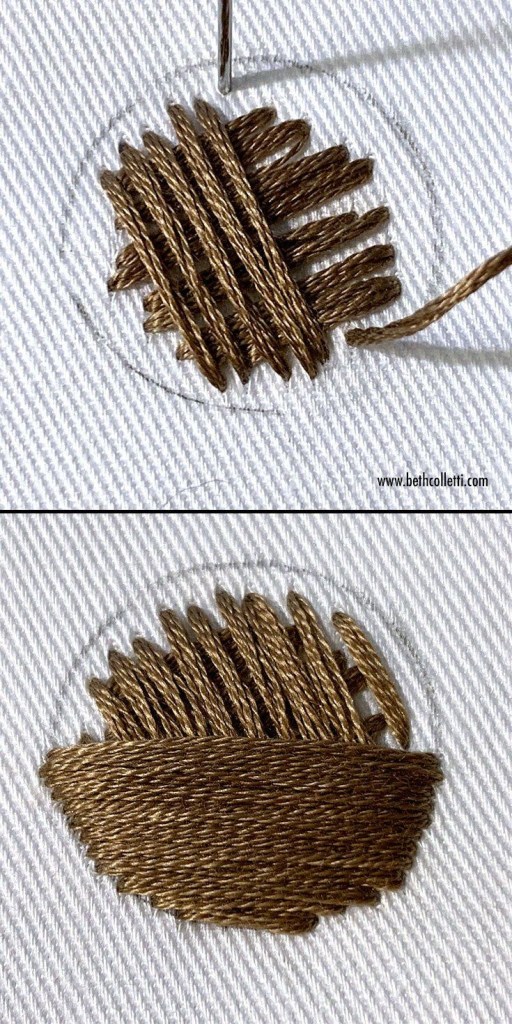
Chain stitch: The chain stitch is used to create lines and curves. It is a looped stitch that can be worked in a variety of directions, allowing for great flexibility in design.
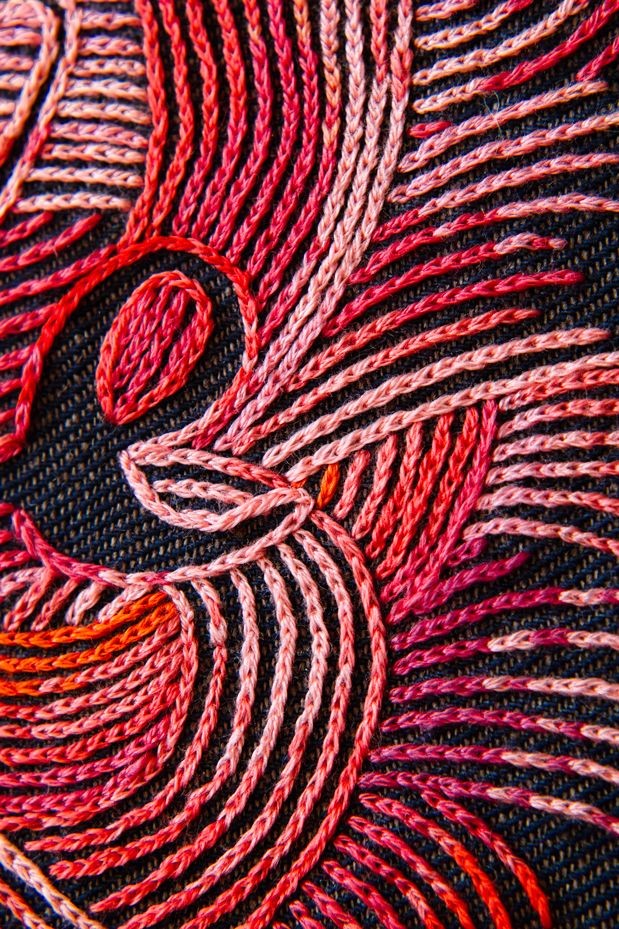
Buttonhole stitch: The buttonhole stitch is used to create a raised edge or to finish the edges of a fabric. It is a looped stitch that is worked around the edge of the fabric, creating a thick, sturdy line.
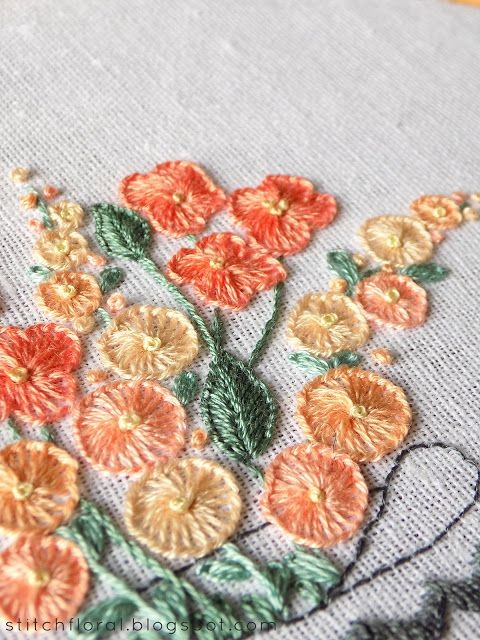
Backstitch: The backstitch is a stitch that is used to create outlines and fine details. It is a stitch that is worked back and forth, creating a solid line that is ideal for intricate designs.
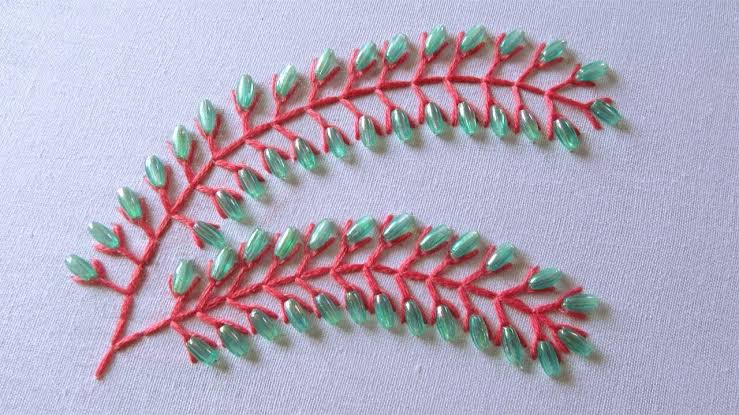
To say the least, Kantha embroidery is a beautiful and intricate form of embroidery that has been practiced for centuries in Bengal. The materials used in Kantha embroidery are simple and readily available, and the techniques used are varied and complex. Whether used to embellish quilts, saris, or other traditional clothing items, Kantha embroidery is a testament to the rich cultural heritage of Bengal and an art form that continues to thrive today.
 A Little This and That of Life