Sunscreen is an essential product that helps to protect our skin from the harmful effects of the sun’s ultraviolet (UV) rays. UV rays can cause skin damage, premature aging, and even skin cancer, so it’s important to use sunscreen daily to prevent these harmful effects.
However, not all sunscreens are created equal, and some may contain ingredients that are harmful to our health and the environment. In this article, we will discuss the sunscreen ingredients to avoid and why.
Oxybenzone
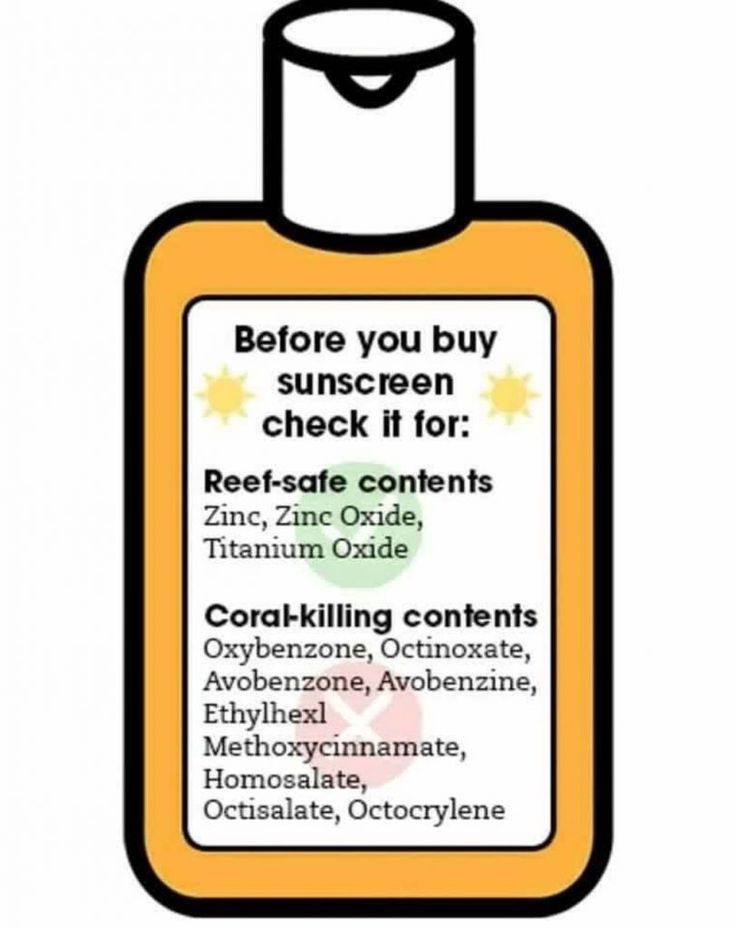
Oxybenzone is a common ingredient found in many sunscreen products. It’s used to absorb UV rays and prevent them from penetrating the skin. However, studies have shown that oxybenzone can be harmful to our health.
Firstly, oxybenzone has been linked to hormone disruption. It has been found to mimic the hormone estrogen in the body, which can cause hormone imbalances and negatively affect reproductive health. It has also been found in breast milk, urine, and blood samples.
Secondly, oxybenzone has been found to harm the environment. It contributes to coral bleaching and harms marine life. According to the National Oceanic and Atmospheric Administration, over 4,000 to 6,000 metric tons of sunscreen wash off swimmers and into coral reef environments every year.
Octinoxate
Octinoxate is another common ingredient found in many sunscreen products. It’s also used to absorb UV rays and prevent them from penetrating the skin. However, like oxybenzone, octinoxate has been found to be harmful to our health and the environment.
Octinoxate has been shown to mimic estrogen in the body, which can disrupt hormone balance and negatively affect reproductive health. Additionally, it has been linked to skin allergies and may cause skin irritation.
Octinoxate also harms the environment. It contributes to coral bleaching and harms marine life. According to a study published in the Archives of Environmental Contamination and Toxicology, octinoxate can cause endocrine disruption in fish, which can lead to reproductive failure and population declines.
Homosalate
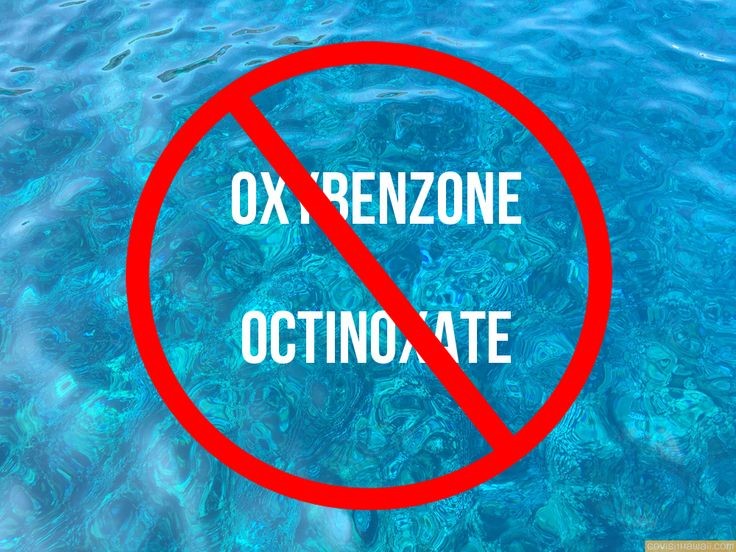
Homosalate is an ingredient commonly found in sunscreen products that helps to absorb UV rays. However, it has been linked to hormone disruption and can break down into harmful byproducts when exposed to sunlight.
According to a study published in the Journal of Applied Toxicology, homosalate has been found to disrupt estrogen, androgen, and thyroid hormones in the body. Additionally, it can break down into a compound called 4-methylbenzylidene camphor (4-MBC) when exposed to sunlight, which has been linked to hormone disruption and has been found in human breast milk and urine samples.
Octocrylene
Octocrylene is another UV-absorbing ingredient commonly found in sunscreen products. However, like homosalate, it has been found to break down into toxic byproducts when exposed to sunlight.
According to a study published in the Journal of Photochemistry and Photobiology B: Biology, octocrylene breaks down into benzophenone, which can cause skin allergies and may contribute to the formation of free radicals in the body.
Retinyl Palmitate
Retinyl palmitate is a form of vitamin A that is sometimes added to sunscreen products for its antioxidant properties. However, it can increase the skin’s sensitivity to the sun and may lead to sunburn. Additionally, it has been linked to the formation of cancerous cells when exposed to sunlight.
According to a study published in the Journal of the American Academy of Dermatology, retinyl palmitate can accelerate the development of tumors and lesions in the skin when exposed to sunlight.
To say the least, choosing a sunscreen product with safe and effective ingredients is crucial for protecting both our health and the environment. When selecting a sunscreen product, it’s important to look for products that are free of these harmful ingredients. Instead, look for products that use mineral-based ingredients like zinc oxide and titanium dioxide, which are effective at blocking UV rays and are safe for both our health and the environment.
It’s also important to note that sunscreen should not be the only form of sun protection. Wearing protective clothing, seeking shade during peak sun hours, and avoiding tanning beds are all important steps in protecting our skin from the harmful effects of the sun’s UV rays.
Sources:
EWG’s Skin Deep Cosmetics Database: https://www.ewg.org/skindeep/
Environmental Health Perspectives: https://ehp.niehs.nih.gov/doi/10.1289/ehp.114-a119
National Center for Biotechnology Information: https://www.ncbi.nlm.nih.gov/pmc/articles/PMC2633723/
Environmental Working Group: https://www.ewg.org/sunscreen/report/the-trouble-with-sunscreen-chemicals/
American Academy of Dermatology: https://www.aad.org/public/everyday-care/sun-protection/sunscreen-patients/sunscreen-ingredients-to-avoid
 A Little This and That of Life