Vitamin A, also known as retinol, is a crucial nutrient that plays a vital role in maintaining overall health and well-being. It is a fat-soluble vitamin that is essential for the proper functioning of various organs in the body, including the eyes, skin, and immune system. In this article, we will focus on the importance of Vitamin A in the diet and its role in maintaining healthy skin.
If you want to get a detailed understanding about the correlation between a healthy diet and healthy skin, you check my blog dedicated specifically to the subject here.

Sources of Vitamin A
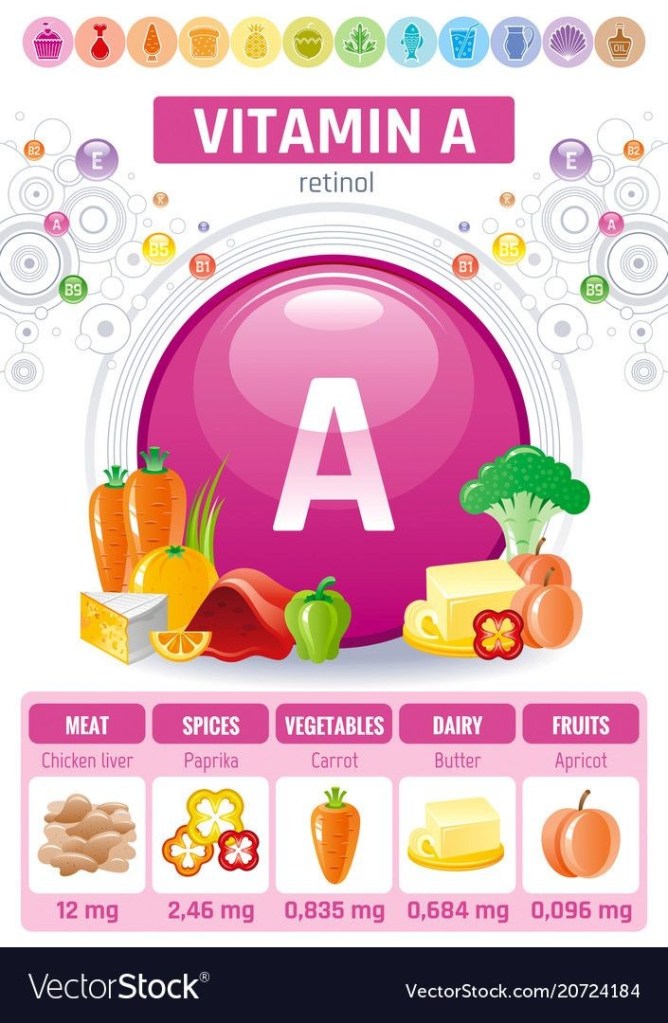
Vitamin A is found in a variety of foods, including animal products and plant-based foods. Retinol, the more easily absorbed form of Vitamin A, is found in animal products such as liver, eggs, and dairy. Provitamin A carotenoids, which the body can convert to retinol, are found in plant-based foods such as carrots, sweet potatoes, spinach, and kale.
Importance of Vitamin A in the Diet
Vitamin A is essential for maintaining overall health and well-being. It plays a crucial role in the immune system, helping to protect the body against infections and diseases. Vitamin A is also essential for the proper functioning of the eyes, helping to maintain good vision and preventing eye problems such as night blindness.
One of the most important roles of Vitamin A is its role in maintaining healthy skin. Vitamin A is essential for the growth and development of skin cells, helping to keep the skin smooth, soft, and supple. It is also necessary for the production of collagen, a protein that gives the skin its elasticity and firmness.
Vitamin A also helps to protect the skin from damage caused by environmental factors such as pollution, UV radiation, and free radicals. It helps to promote the regeneration of skin cells and can help to reduce the appearance of fine lines, wrinkles, and other signs of aging.
Benefits of Vitamin A for Skin Health
Vitamin A is essential for maintaining healthy skin. A deficiency in Vitamin A can lead to dry, flaky, and itchy skin, as well as acne and other skin problems. On the other hand, consuming enough Vitamin A in the diet can help to improve the health and appearance of the skin.

One of the most significant benefits of Vitamin A for skin health is its ability to reduce the appearance of fine lines and wrinkles. Vitamin A helps to stimulate the production of collagen, which helps to firm and plump the skin. It also helps to increase cell turnover, helping to slough off dead skin cells and promote the growth of new, healthy cells.
Vitamin A is also effective in treating acne and other skin problems. It helps to regulate the production of sebum, the oil that can clog pores and lead to acne. It also has anti-inflammatory properties that can help to reduce redness and inflammation associated with acne. Overall, Vitamin A is a powerful ingredient in skincare products.
Let us discuss the topical use of vitamin A for skin and any side effects or precautions that should be noted.
How Vitamin A Works in Skincare
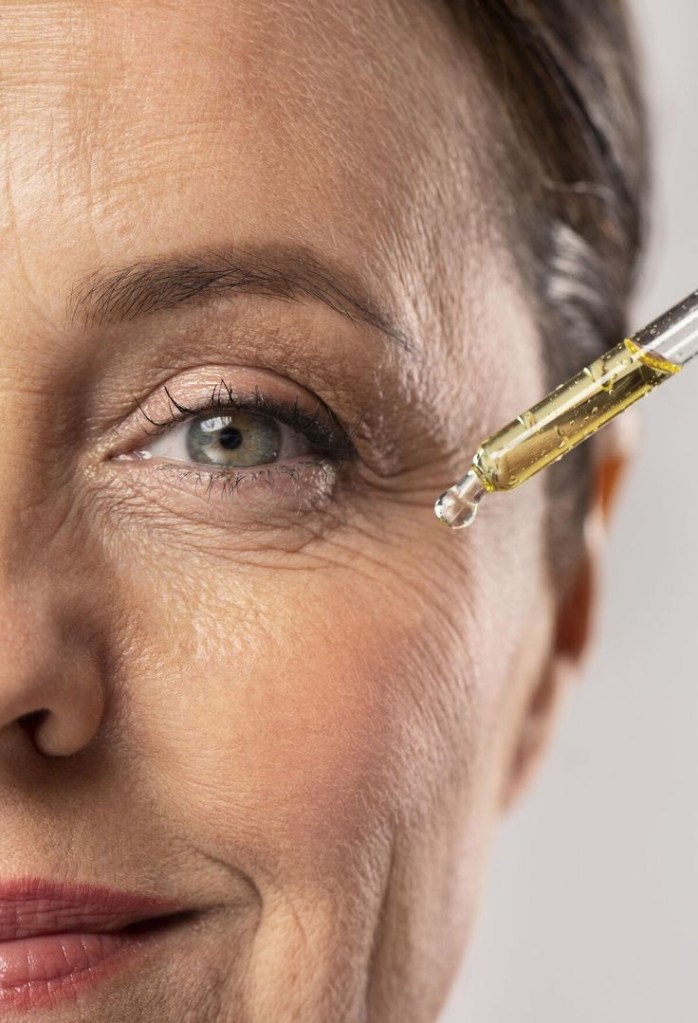
Topical vitamin A is a derivative of retinol, which is a form of Vitamin A. When applied to the skin, it is converted into retinoic acid, which is the active form of Vitamin A. Retinoic acid works by binding to specific receptors in the skin, which stimulates the production of new skin cells and increases collagen production.
Benefits of Topical Vitamin A for Skin
Topical Vitamin A has several benefits for the skin. It can help to reduce the appearance of fine lines and wrinkles, improve skin texture, and even out skin tone. It also helps to promote cell turnover, which can lead to a brighter, smoother complexion.
In addition to its anti-aging benefits, topical Vitamin A can also help to treat acne and other skin conditions. It works by regulating sebum production, which can help to prevent breakouts. It also has anti-inflammatory properties, which can help to reduce redness and inflammation associated with acne.
Precautions When Using Topical Vitamin A
While topical Vitamin A can be highly effective, there are some precautions that should be taken when using it. It is important to start with a low concentration of Vitamin A and gradually increase the concentration over time. This can help to prevent skin irritation and sensitivity.
Some people may experience side effects when using topical Vitamin A. These can include redness, dryness, and peeling. It is important to monitor your skin and adjust the frequency of use as needed to prevent these side effects.
It is also important to use sunscreen when using topical Vitamin A. Retinoic acid can make the skin more sensitive to the sun, which can increase the risk of sun damage and skin cancer.
 A Little This and That of Life