Banjara embroidery is a traditional form of embroidery that originated from the nomadic Banjara community of India. It is a vibrant and colorful form of embroidery that uses a combination of thread, mirrors, beads, and shells to create intricate designs. Banjara embroidery is a testament to the rich cultural heritage of India, and it continues to be an important form of art and expression to this day.
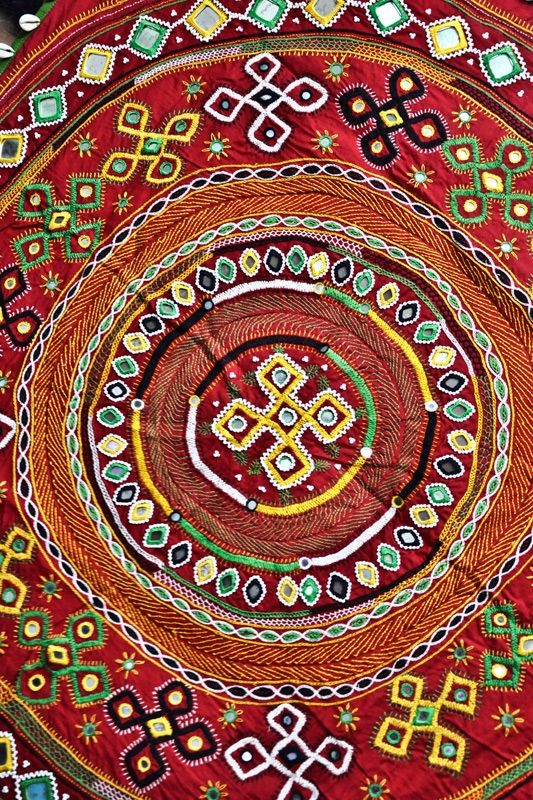
History and Origin of Banjara Embroidery:
The Banjara community, also known as the Lambadi community, is a nomadic group that has migrated from Rajasthan to various parts of India, including Andhra Pradesh, Telangana, Maharashtra, and Karnataka. The community is known for their unique culture, language, and lifestyle, which is reflected in their embroidery.
The origins of Banjara embroidery can be traced back to the 17th century when the Banjaras would travel long distances for trade and would decorate their clothing and accessories with intricate embroidery. The embroidery was not just a form of decoration but also served a functional purpose as it added strength and durability to the fabric.
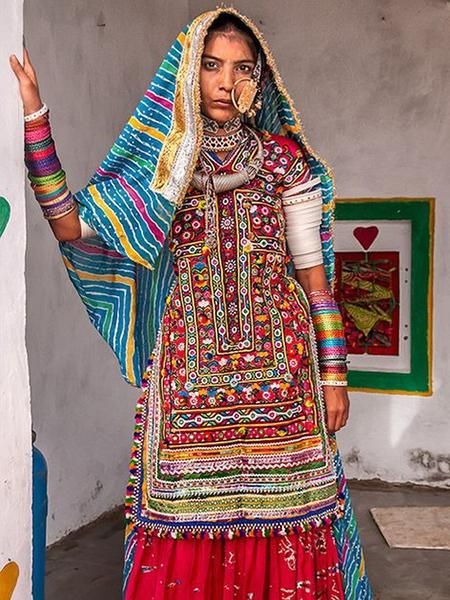
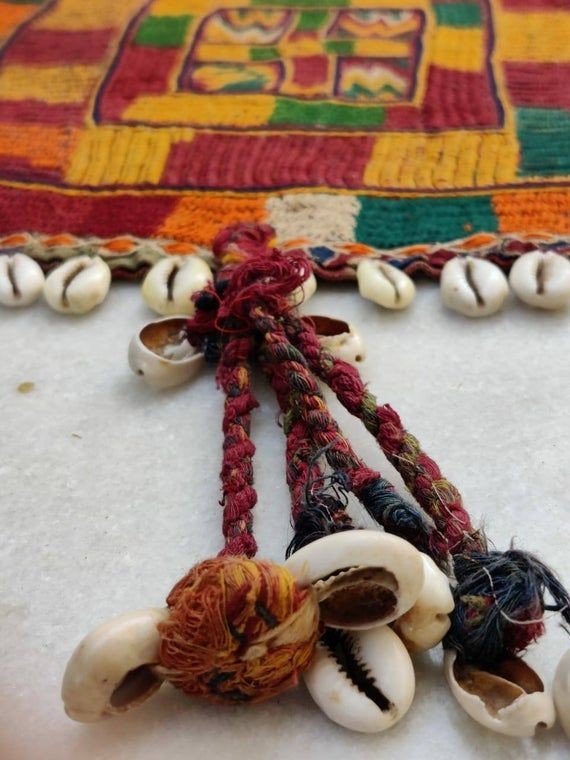
Banjara embroidery is characterized by its bold colors, geometric patterns, and intricate designs. The embroidery is done using a variety of stitches, including chain stitch, satin stitch, and buttonhole stitch. Mirrors, beads, and shells are used to add sparkle and texture to the embroidery.
The Banjara women would traditionally create the embroidery and it would then get passed down from generation to generation. The embroidery was not just a form of art but also a means of social expression. The women would use the embroidery to tell stories, convey emotions, and express their identity.
Banjara embroidery is not just limited to clothing and accessories but can also be found on home decor items such as wall hangings and bedspreads. The embroidery has gained popularity not just in India but also internationally, and it is now being used in contemporary fashion.
Materials and techniques involved in making Banjara embroidery:
Materials:
Fabric – The base fabric used for Banjara embroidery is usually cotton, silk, or wool. The fabric should be sturdy enough to withstand the weight of the embroidery and should have a tight weave to prevent the embroidery from snagging.
Threads – A variety of threads are used in Banjara embroidery, including cotton, silk, and wool. The threads are usually bright and bold in color and can be of different thicknesses to create texture and depth in the embroidery.
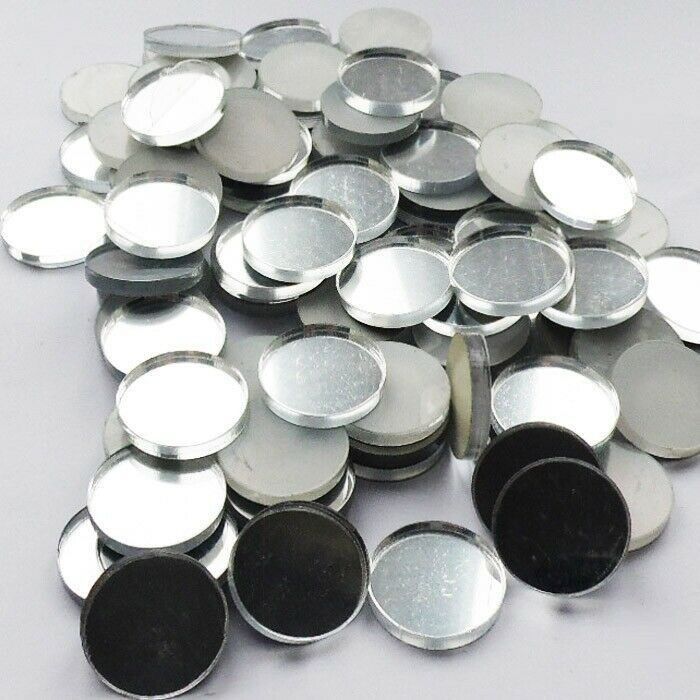
Mirrors – Small circular mirrors are an essential part of Banjara embroidery. The mirrors are usually around 1-2 inches in diameter and are used to add sparkle and reflection to the embroidery.
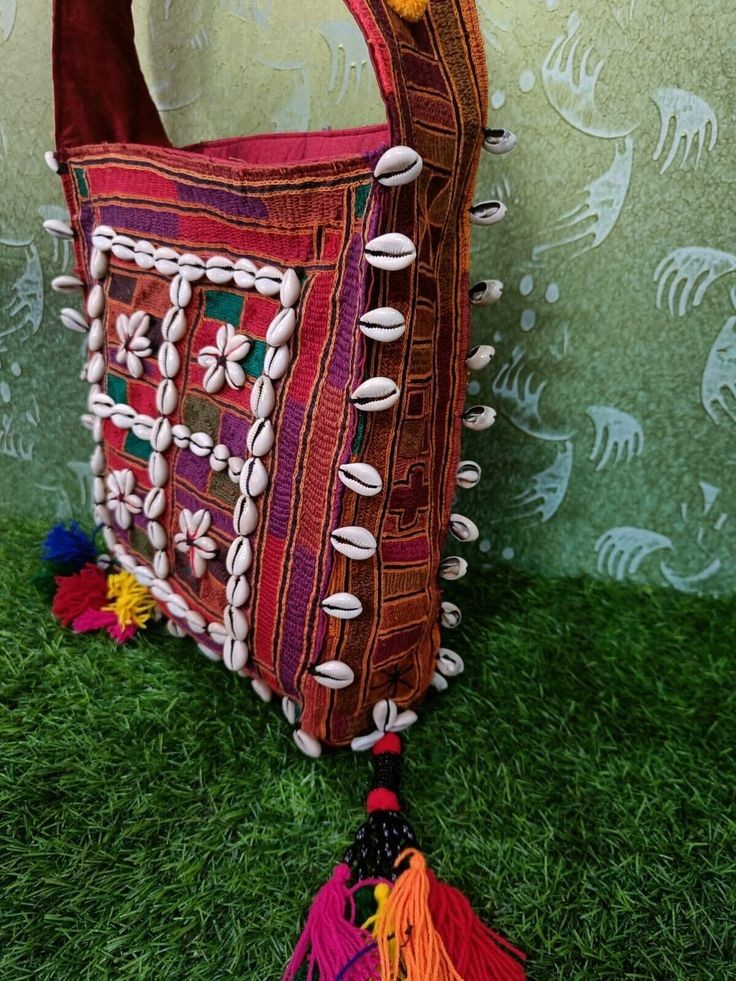
Beads and Shells – Small beads and shells are used to add texture and dimension to the embroidery. The beads and shells can be of different sizes and shapes to create a varied and interesting effect.
Techniques:
Chain Stitch – Chain stitch is one of the most commonly used stitches in Banjara embroidery. It is a simple stitch that creates a line of loops that are linked together to form a chain. The stitch can be used to create outlines and fillings in the embroidery.
Satin Stitch – Satin stitch is a smooth and shiny stitch that is used to fill in shapes and create solid blocks of color in the embroidery. The stitch is worked in a straight line and creates a smooth and even surface.
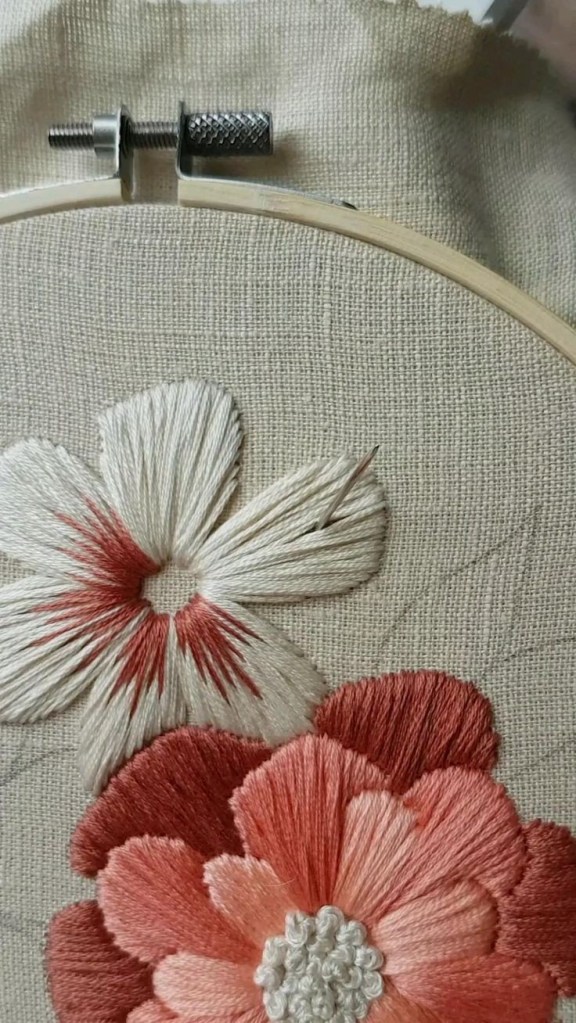
Buttonhole Stitch – Buttonhole stitch is a decorative stitch that is used to create borders and edges in the embroidery. The stitch is worked in a looped pattern that creates a scalloped effect.
Mirroring – Mirroring is an important technique in Banjara embroidery, as it involves the placement of small circular mirrors in the embroidery. The mirrors are often surrounded by decorative stitching and are placed in symmetrical patterns to create a reflective and striking effect.
Beading – Beading is another important technique in Banjara embroidery, as it involves the placement of small beads and shells in the embroidery. The beads and shells can be used to create patterns and textures in the embroidery, and are often sewn on in intricate and complex arrangements.
The Future of Banjara Embroidery:
Banjara embroidery is an important part of India’s cultural heritage, and it is important to preserve and promote this art form. The Indian government has taken steps to recognize and support traditional artisans, and many non-governmental organizations are working to promote traditional crafts and provide a platform for artisans to showcase their work.
Banjara embroidery has also gained recognition on a global level, and it has been showcased in international fashion shows and exhibitions. The embroidery has been used by many contemporary fashion designers to create unique and eye-catching designs.

Overall, it can simply be said that Banjara embroidery is a beautiful and intricate form of embroidery that reflects the rich cultural heritage of India. Its origins can be traced back to the nomadic Banjara community, and it continues to be an important form of expression to this day. It is important to preserve and promote this art form so that future generations can appreciate and enjoy its beauty.
 A Little This and That of Life