In today’s world, where sustainability and budget-consciousness are gaining significant importance, secondhand clothing has emerged as a fantastic option. Not only does shopping for secondhand clothes contribute to reducing textile waste, but it also allows you to discover unique and affordable pieces that reflect your personal style. However, navigating the world of secondhand shopping can be overwhelming if you’re unsure where to start. Fear not! In this comprehensive guide, I’ll provide you with some valuable tips and tricks to shop for secondhand clothing effectively, ensuring a successful and rewarding experience.
1. Understand Your Style and Needs:
Before diving into the world of secondhand shopping, take some time to evaluate your personal style, wardrobe requirements, and preferred brands. Consider the occasions for which you need clothes, your body type, and the colors and patterns that flatter you. This self-reflection will help you make smarter choices while browsing through secondhand options.
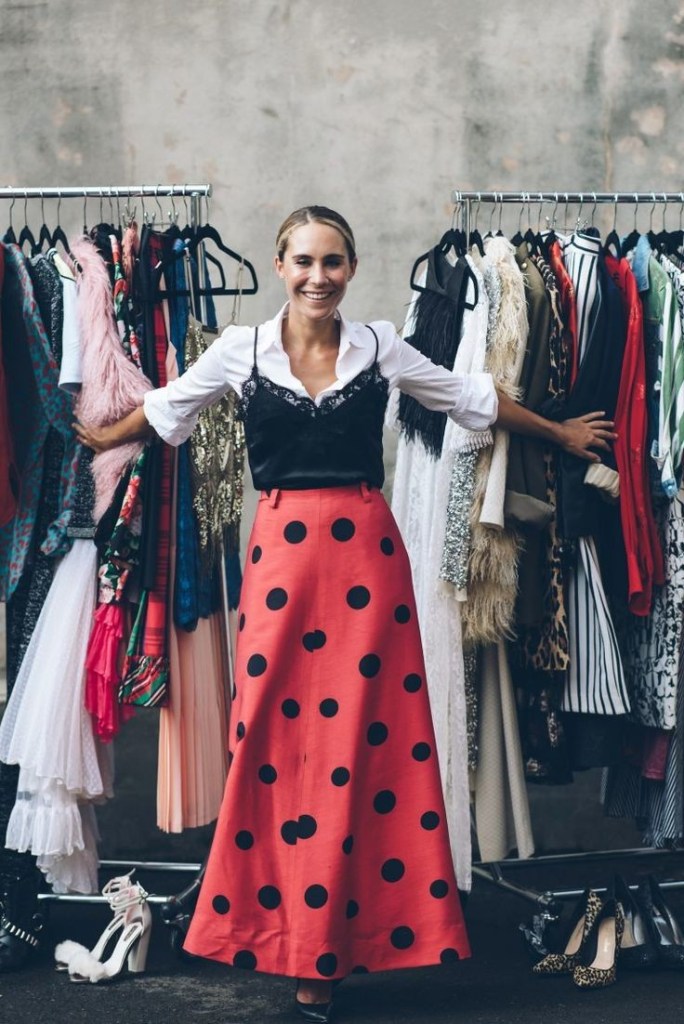
2. Research and Explore Online Platforms:
With the rise of online marketplaces and dedicated secondhand clothing platforms, the internet is a treasure trove for thrift shoppers. Popular platforms like Refash, Elanic, Coutloot, and Spoyl offer a wide range of pre-loved clothing items. Spend time researching these platforms, familiarize yourself with their features, and read reviews to find the ones that align with your preferences.

3. Take Accurate Measurements:
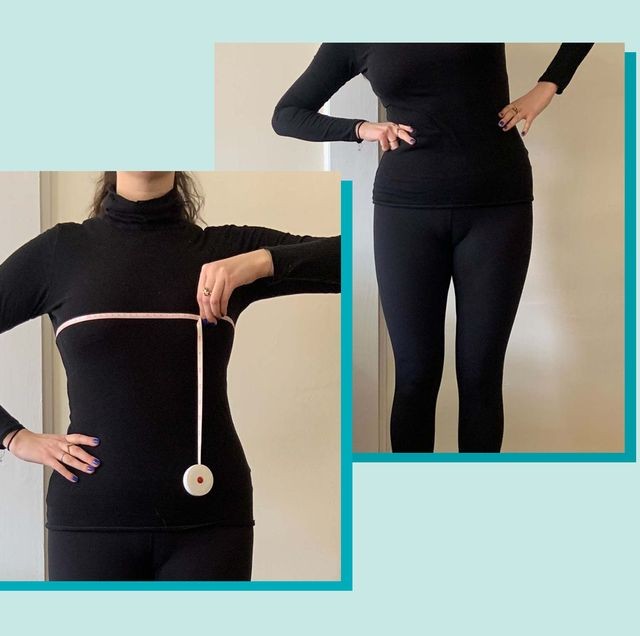
One of the most important aspects of shopping for secondhand clothing is ensuring proper fit. Since sizes can vary across brands and eras, it’s essential to take accurate measurements of your body before making any purchase. Measure your bust, waist, hips, and inseam, and refer to size charts provided by sellers to find the best-fitting options.
4. Master the Art of Searching:
To efficiently search for secondhand clothing, utilize specific keywords that reflect your style and preferences. Include details such as color, brand, style, or even specific eras or trends you’re interested in. This will narrow down your search results and help you find the hidden gems you desire.
5. Check for Detailed Descriptions and Quality Photos:
When shopping online for secondhand clothing, pay close attention to detailed item descriptions and high-quality photographs. Descriptions should mention the garment’s condition, any imperfections, and specific measurements. Photos should showcase the item from different angles to give you a clear understanding of its appearance. Be cautious of listings with limited information or blurry images.
6 Evaluate the Seller’s Reputation:
Before making a purchase, take a moment to evaluate the seller’s reputation and credibility. Look for reviews, ratings, and feedback from previous buyers. Trusted sellers often have a history of positive interactions and provide accurate information about their items. Prioritize sellers with a good track record to minimize the chances of disappointment.
7. Set a Budget and Prioritize:
Secondhand shopping can be addictive, and it’s easy to get carried away. Set a realistic budget before you start browsing and stick to it. To make the most of your budget, prioritize essential items you need while allowing room for unique finds that catch your eye.
8. Don’t Shy Away from Alterations:
Secondhand clothing often requires a bit of customization to fit perfectly or match your personal style. Don’t be afraid to embrace alterations or DIY projects to transform a piece into something you love. Simple alterations like hemming, adjusting waistlines, or changing buttons can make a significant difference in the overall look and fit of a garment.
9. Take Advantage of Local Thrift Stores and Flea Markets:
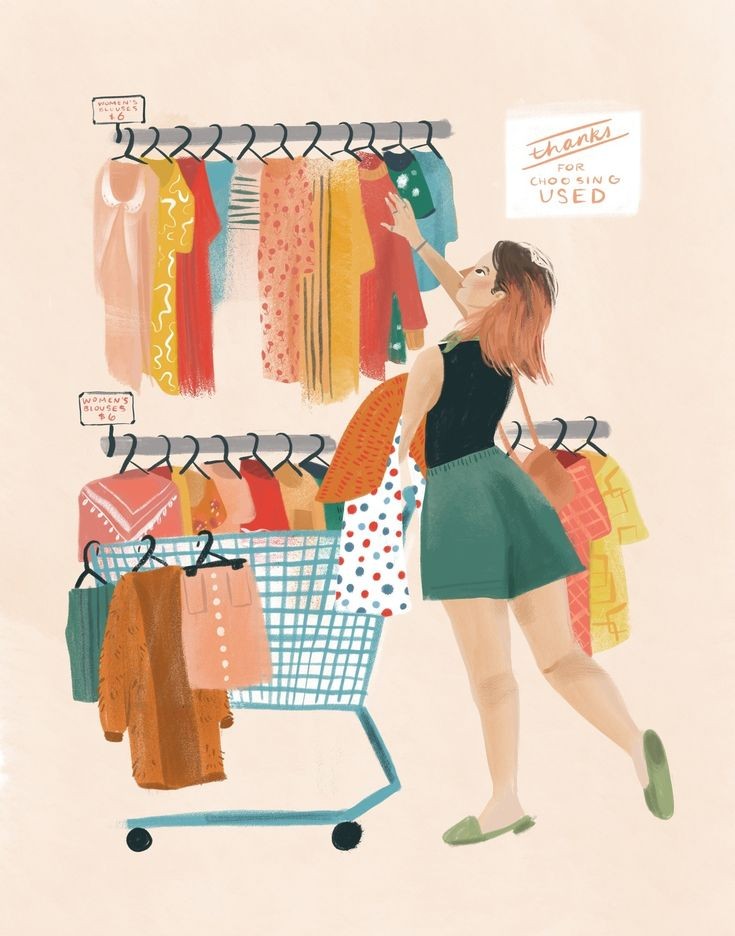
While online platforms provide convenience and variety, local thrift stores and flea markets offer an entirely different shopping experience. Visit these places to explore hidden treasures and enjoy the thrill of discovering unique items firsthand. Be
prepared to invest time and effort in sifting through racks or stalls to find that perfect piece. These physical shopping experiences can be incredibly rewarding and offer a chance to support local businesses and charities.
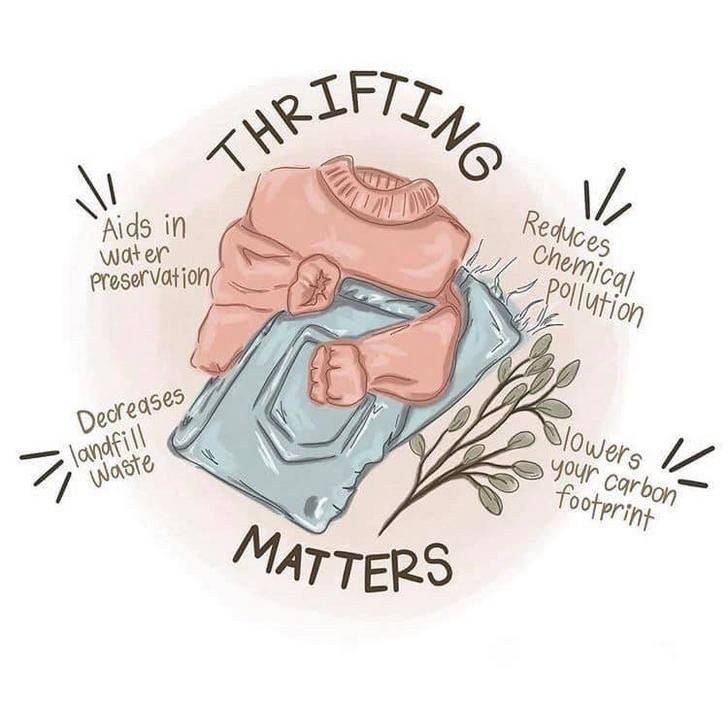
10. Attend Clothing Swaps and Thrift Events:
Another fantastic way to shop for secondhand clothing effectively is by participating in clothing swaps or attending thrift events arranged by clothing swap platforms like Swapzaar, Thrift Social India, The Clothing Rental, etc. Clothing swaps allow you to exchange items from your own wardrobe with others, offering a cost-effective and sustainable way to refresh your closet. Thrift events, such as vintage fairs or pop-up markets, often bring together a curated selection of pre-loved clothing from various sellers, making it easier to find unique and high-quality pieces.
11. Take Careful Note of Return Policies:
While shopping online, it’s crucial to review the return policies of sellers or platforms. Secondhand items may have different return conditions compared to new clothing. Ensure you understand the seller’s return policy in case an item doesn’t meet your expectations or doesn’t fit correctly. This will save you from any potential disappointment or inconvenience.
12.Embrace Patience and Persistence:
Effective secondhand shopping requires patience and persistence. Finding the perfect secondhand piece might take time, especially if you have specific requirements or a unique style. Don’t be discouraged if you don’t find what you’re looking for right away. Keep checking online platforms, visiting thrift stores, and attending events regularly. The thrill of discovering that hidden gem makes it all worthwhile.

13. Care for Your Secondhand Clothing:
Once you’ve successfully shopped for secondhand clothing, it’s important to care for your new additions. Follow the care instructions provided by the seller and take necessary steps to preserve the quality and longevity of your garments. Proper washing, storing, and handling will ensure that your secondhand finds remain in excellent condition.

Let me assure you, shopping for secondhand clothing can be an exciting and rewarding experience when approached with the right knowledge and mindset. By bringing the tips shared above to use, you can effectively shop for secondhand clothing while saving money and contributing to a more sustainable fashion industry. Embrace the thrill of the hunt, get creative with alterations, and enjoy the unique and affordable pieces that secondhand shopping has to offer. Happy hunting!
 A Little This and That of Life