As the world faces pressing environmental challenges, the fashion industry is beginning to undergo a transformation. Circular fashion, a concept rooted in sustainability and circular economy principles, is emerging as a powerful solution to counteract the negative impacts of fast fashion. This innovative approach aims to create a closed-loop system, where resources are maximized, waste is minimized, and garments are designed for longevity. In this article, we will delve into the concept of circular fashion, explore its key elements, and highlight its potential to revolutionize the industry.
Understanding Circular Fashion:
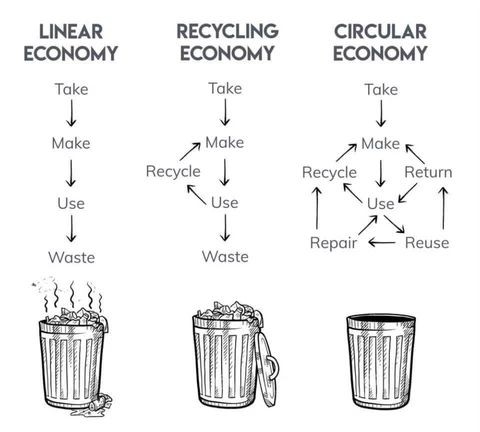
Circular fashion represents a departure from the traditional linear model, which follows a “take-make-dispose” pattern. Instead, it embraces a cyclical approach by prioritizing the reduction, reuse, and recycling of materials throughout the fashion lifecycle. The goal is to establish a closed-loop system, wherein garments are continually reused, regenerated, or recycled, thereby minimizing waste and environmental impact.
Key Elements of Circular Fashion
Design for Durability: Circular fashion emphasizes designing garments to be long-lasting, both in terms of quality and style. By prioritizing durability, clothes can be worn and enjoyed for extended periods, reducing the need for constant replacement and decreasing the overall demand for new clothing production.
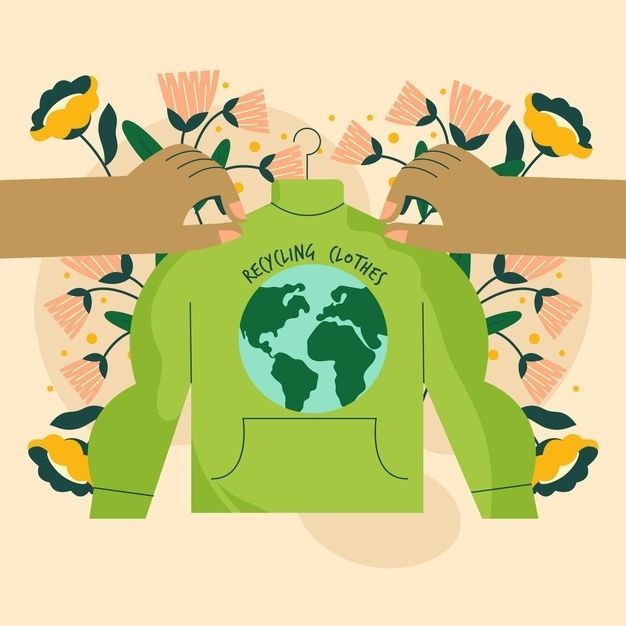
Recycling and Regeneration: The concept of circular fashion promotes the recycling and regeneration of textiles. This involves diverting used garments from landfills and employing various technologies to convert them into new fibers or fabrics. Advanced techniques like mechanical recycling, chemical recycling, and upcycling are utilized to create new materials from old ones, ensuring valuable resources are not wasted.
Rental and Sharing Models: Circular fashion embraces alternative consumption models such as clothing rentals and sharing platforms. By enabling individuals to access a wide range of garments without owning them outright, these models extend the lifespan of clothes and discourage excessive purchasing. Renting or sharing clothes reduces the need for new production and minimizes textile waste.
Repair and Maintenance: Encouraging repair and maintenance is another crucial element of circular fashion. By promoting the value of mending garments, fashion brands and consumers can prolong the lifespan of their clothes. From small repairs to altering sizes or repurposing items, these actions contribute to reducing waste and supporting a more sustainable fashion ecosystem.
Sustainable Materials: Circular fashion champions the use of sustainable materials. This involves opting for organic and regenerative fibers, as well as exploring innovative alternatives like recycled polyester, Tencel, and Piñatex (a leather alternative made from pineapple fibers). By selecting materials with lower environmental footprints, the industry can mitigate the negative impacts of traditional textile production.
Benefits of Circular Fashion
Environmental Impact: Circular fashion reduces the strain on natural resources, decreases energy consumption, minimizes waste generation, and mitigates pollution. It addresses key environmental issues, including water scarcity, chemical pollution, and deforestation, resulting in a more sustainable fashion industry.
Economic Opportunities: Circular fashion presents significant economic opportunities. It fosters the growth of recycling and upcycling industries, creating new jobs and business prospects. Additionally, rental and sharing models can offer cost-effective alternatives for consumers, making fashion more accessible and affordable.
Social Responsibility: Circular fashion aligns with social responsibility by promoting fair labor practices, ethical sourcing, and supply chain transparency. Brands that embrace circularity often prioritize the well-being of their workers and ensure the production process adheres to strict environmental and social standards.
Consumer Engagement: Circular fashion encourages consumer engagement and participation. By involving consumers in the recycling process, offering repair services, and providing platforms for renting or sharing clothes, individuals become active participants in the sustainable fashion movement, fostering a sense of responsibility and collective action.
Challenges and Future Outlook
While circular fashion holds immense promise, it also faces several challenges on its path to widespread adoption. Some of these challenges include:
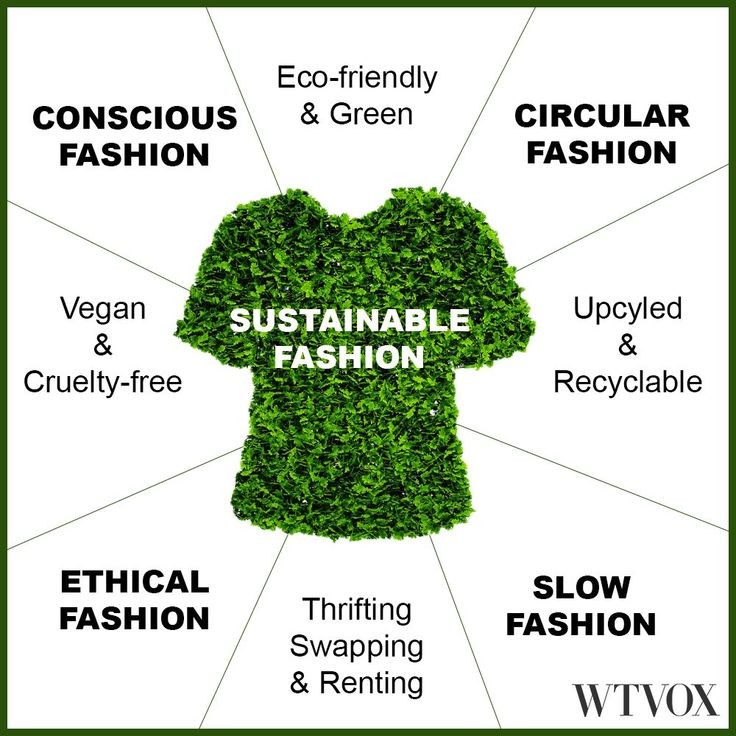
Infrastructure and Technology: Implementing circular fashion at scale requires adequate infrastructure and technological advancements. Efficient collection systems, sorting facilities, and recycling plants need to be established to handle the volume of textile waste. Furthermore, advancements in recycling technologies are necessary to improve the quality and efficiency of textile recycling processes.
Consumer Behavior and Awareness: Shifting consumer behavior is crucial for the success of circular fashion. Educating consumers about the environmental and social impact of fast fashion, as well as the benefits of circular alternatives, is essential. Encouraging consumers to embrace sustainable consumption patterns and appreciate the value of quality, long-lasting garments can drive the demand for circular fashion.
Collaboration and Industry-wide Efforts: Achieving a circular fashion system requires collaboration among various stakeholders, including fashion brands, manufacturers, retailers, policymakers, and consumers. Collaboration can foster innovation, knowledge-sharing, and the development of industry-wide standards and practices. Governments can play a vital role by implementing supportive policies and regulations that incentivize circular practices.

The future outlook for circular fashion is promising. Many fashion brands, both established and emerging, are adopting circular principles and integrating them into their business models. Collaboration platforms, such as the Global Fashion Agenda and the Ellen MacArthur Foundation’s Make Fashion Circular initiative, are facilitating collective efforts and knowledge exchange within the industry.
Additionally, technological advancements are driving innovation in the recycling and regeneration of textiles. New methods, such as enzymatic processes and advanced fiber sorting technologies, show great potential in improving textile recycling efficiency and quality. With further research and development, these technologies can become more accessible and cost-effective.
Furthermore, consumer awareness and demand for sustainable fashion are growing steadily. As more individuals become conscious of the environmental and social impact of their clothing choices, they are seeking out circular fashion alternatives. This shift in consumer preferences is driving brands to embrace circularity as a competitive advantage.
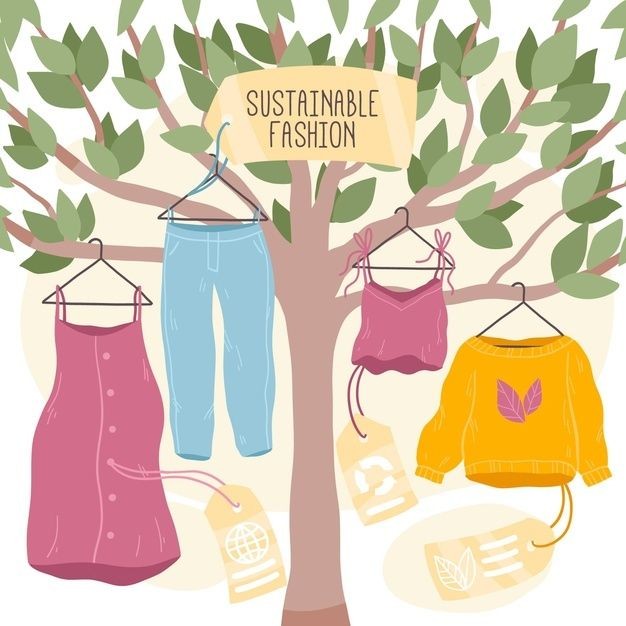
To summarise, circular fashion represents a transformative approach to address the environmental challenges posed by the traditional fashion industry. By prioritizing durability, recycling, rental models, repair, and sustainable materials, circular fashion aims to create a more sustainable and regenerative fashion ecosystem. Overcoming challenges related to infrastructure, consumer behavior, and collaboration will be essential for its widespread adoption. With continued efforts and innovation, circular fashion has the potential to revolutionize the industry and pave the way towards a more sustainable future of fashion.
 A Little This and That of Life