The sound of the cracking ice echoes across the barren landscape as the last polar bear takes its final breath. Its once-white fur, stained by oil spills and pollution- a poignant reminder of the devastating impact of humanity’s insatiable appetite for fast fashion…

Sounds like the opening of a dystopian movie, right? But what if I tell you that this could be our reality pretty soon, and polar bears would not be the only beautiful things we’ll lose to fast fashion.
Believe it or not, but the fashion industry is the second-largest polluter in the world, second only to the oil industry, and the negative impact of fast fashion on the environment and society cannot be ignored any further.
Wonder what we can do about it?
Adopt practices such as conscious consumerism, sustainable fashion, and minimalism.
In this blog, we will specifically discuss sustainable fashion and why we need it so urgently.
This article is dedicated to those who are either beginning or are well into their beautiful journeys towards conscious consumerism, minimalism, sustainable fashion, upcycling, recycling and other preventive steps to protect our world and nature.
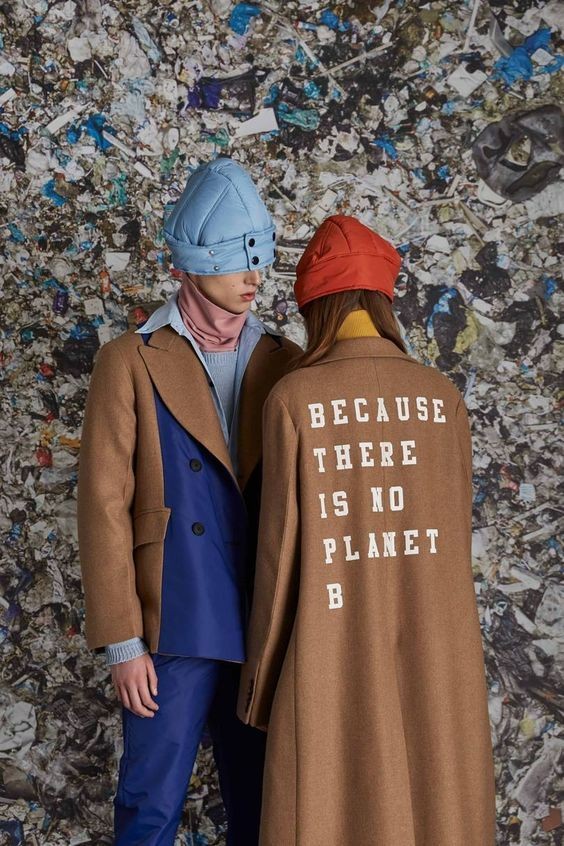
What is Sustainable Fashion?
Sustainable fashion is a movement that aims to reduce the negative impact of the fashion industry on the environment and society. It is an ethical and responsible approach to fashion that prioritizes the health and well-being of people, animals, and the planet.
Here are some reasons why we need to adopt sustainable fashion at the earliest:
1. Sustainable Fashion Saves Natural Resources: The fashion industry is one of the most resource-intensive industries in the world, and it requires vast amounts of water, energy, and raw materials to produce clothing.
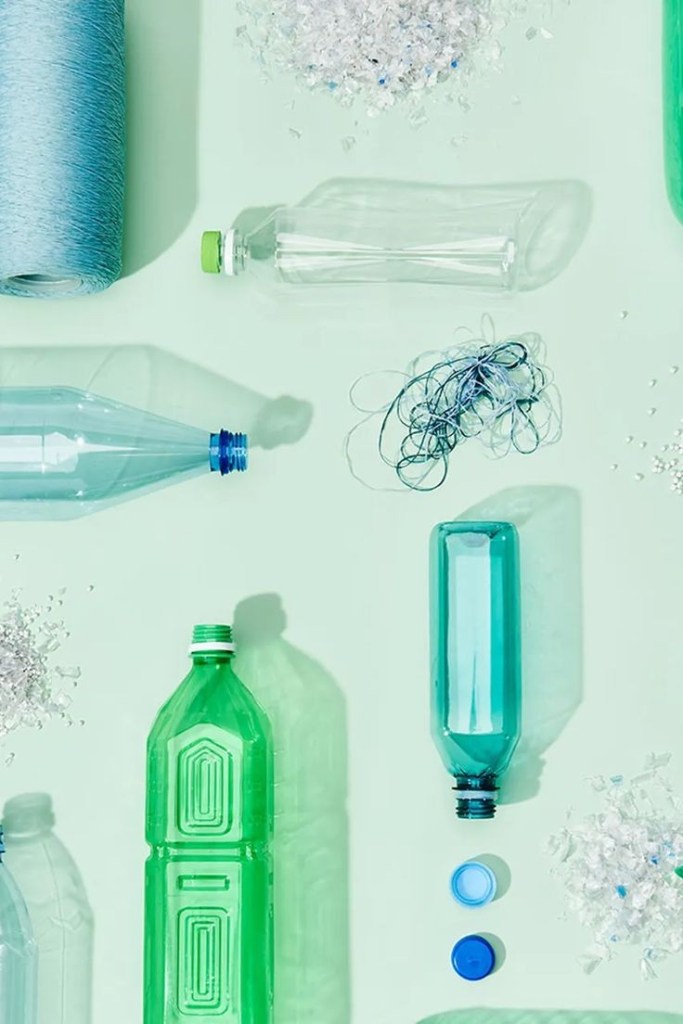
By adopting sustainable practices such as using eco-friendly fabrics, reducing waste, and recycling materials, the fashion industry can reduce its impact on the environment and save natural resources. For example, using recycled polyester instead of virgin polyester can save up to 70% of energy and reduce greenhouse gas emissions by 65%.

2. Sustainable Fashion Reduces your Carbon Footprint:
The fashion industry is a significant contributor to greenhouse gas emissions, and according to the United Nations, it accounts for 10% of global greenhouse gas emissions due to its long supply chains and energy intensive production. The industry consumes more energy than the aviation and shipping industry combined.
By adopting sustainable practices such as using renewable energy, reducing waste, and using eco-friendly materials, the fashion industry can reduce its carbon footprint and contribute to mitigating climate change.

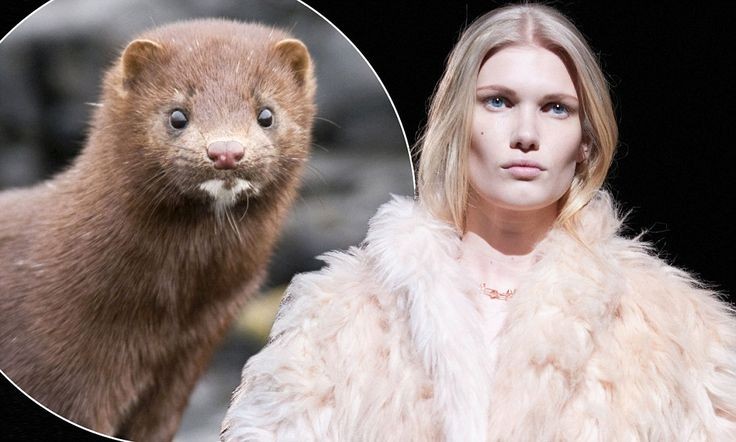
3. Sustainable Fashion Saves Animal Lives:
The fashion industry has been criticized for its exploitation of animals for their fur, leather, wool, and other materials. By adopting sustainable practices such as using vegan or ethically sourced materials, the fashion industry can reduce animal cruelty and promote animal welfare.
4. Sustainable Fashion Requires Less Water:
The fashion industry is a major consumer of water, and it is a scarce resource in many parts of the world. By adopting sustainable practices such as using water-efficient processes, recycling water, and using eco-friendly materials, the fashion industry can reduce its water footprint and contribute to water conservation. For example, using hemp instead of cotton can save around 7000-8000 liters of water per kilogram of fabric.
5. Sustainable Fashion Promotes Ethical and Fair Labor Practices:
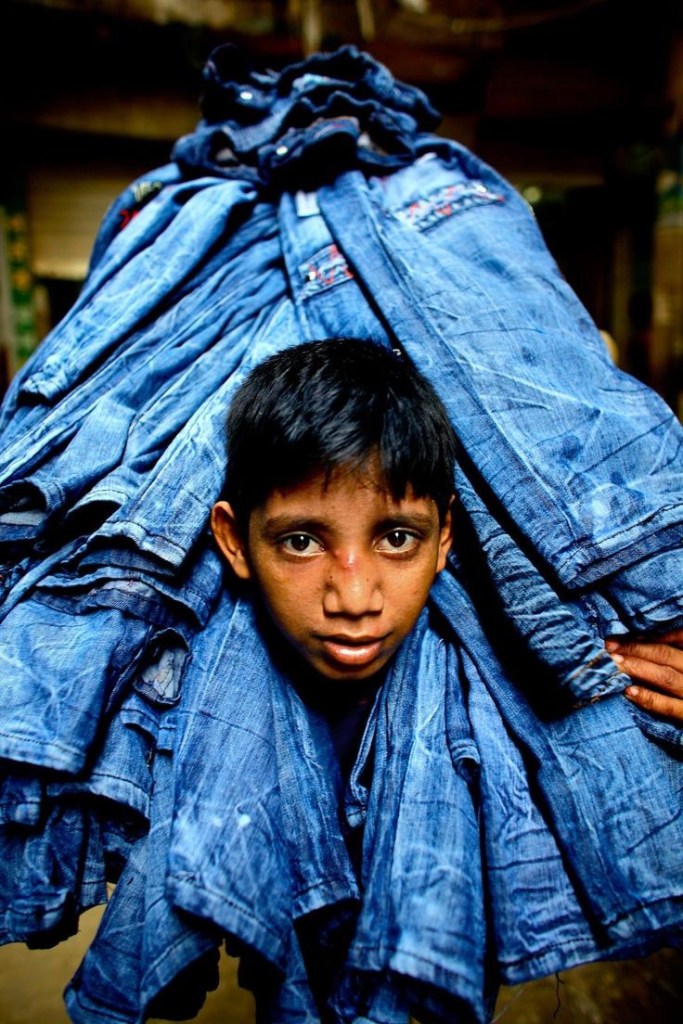
The fashion industry is notorious for unethical and unfair labor practices, with many workers exploited and underpaid. It also promotes child labour in many underdeveloped countries where rules and laws against chil labour are weak. Adopting sustainable fashion practices means ensuring that workers involved in the production of clothing and accessories are treated fairly and paid a living wage. Sustainable fashion also encourages transparency in the supply chain, which makes it easier to track and eliminate exploitation.
6. Sustainable fashion Supports Local Economies:
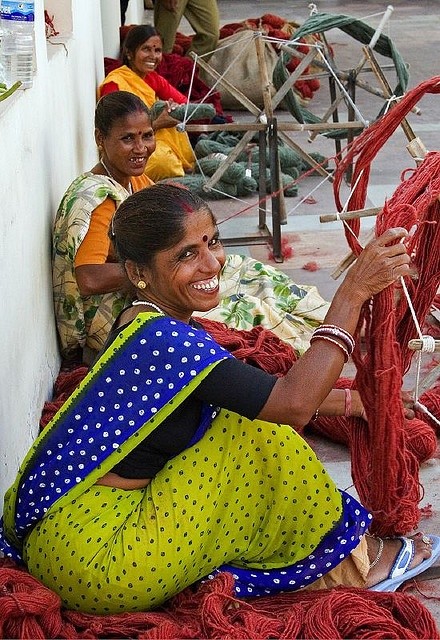
By adopting sustainable fashion practices, we can support local economies and promote small businesses that specialize in ethical and sustainable fashion. This can help create jobs, improve working conditions, and support local communities, which are often negatively affected by large-scale, fast fashion production.
7. Sustainable Fashion Leads to Quality and Longevity:
Sustainable fashion is all about quality and longevity. Instead of focusing on producing cheap, disposable clothing, sustainable fashion prioritizes the production of high-quality, durable clothing and accessories that can last for years. This approach not only reduces waste but also encourages a more mindful approach to fashion consumption, which can ultimately save money in the long run.
8. Sustainable Fashion Encourages Innovation:
Sustainable fashion practices require innovation and creativity, as designers and producers must find new ways to produce clothing and accessories that are both stylish and sustainable. This encourages innovation and creativity, leading to the development of new and exciting sustainable fashion products and processes.

 A Little This and That of Life
One thought on “What is Sustainable Fashion and Why Do We Need It?”