Perfumes were an essential part of ancient Egyptian culture and were used for both religious and personal purposes. The history of perfumes in ancient Egypt dates back to 3000 BC, and the Egyptians were one of the earliest civilizations to use fragrance in their daily lives.
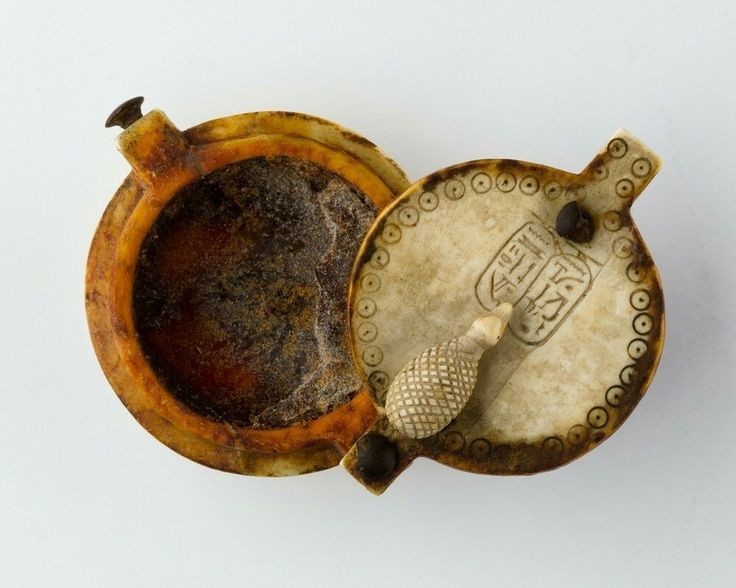
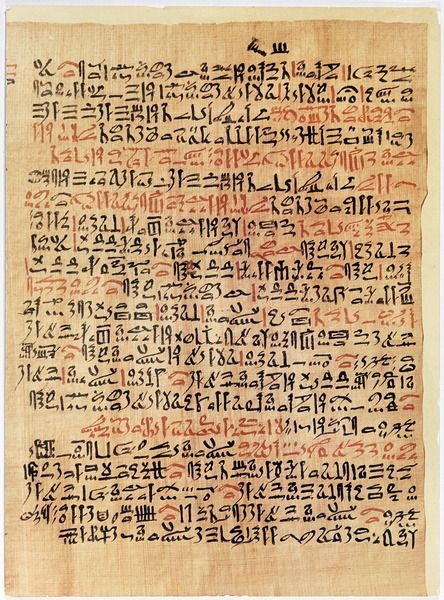
One of the earliest records of perfumes in ancient Egypt is the Ebers Papyrus, a medical document dating back to 1550 BC. The papyrus contains recipes for perfumes, cosmetics, and medicines, providing insight into the different ingredients and methods used by the Egyptians.
The ancient Egyptians used a variety of natural ingredients to create their perfumes, including flowers, herbs, and resins. One of the most popular scents was the lotus flower, which was often used in perfumes and as an offering to the gods. Other popular ingredients included myrrh, frankincense, and cinnamon.
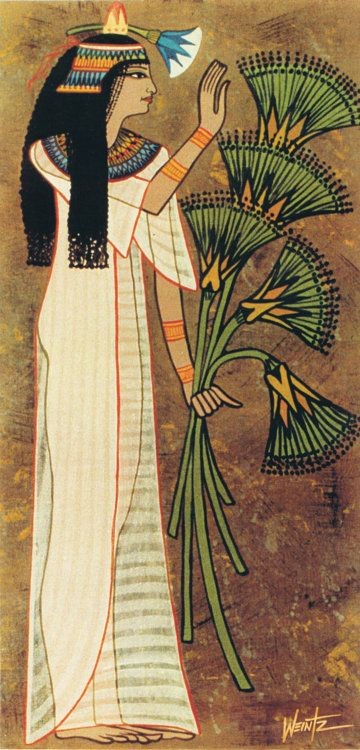
Perfumes were not only used for their pleasant smell but also had religious significance. The Egyptians believed that perfumes had the power to connect them with the gods, and therefore they were used in religious ceremonies and rituals.
The Egyptians also used perfumes as a status symbol, and it was common for the wealthy and elite to wear expensive and rare fragrances. Perfumes were also used as a way of displaying wealth and were often given as gifts to visiting dignitaries.
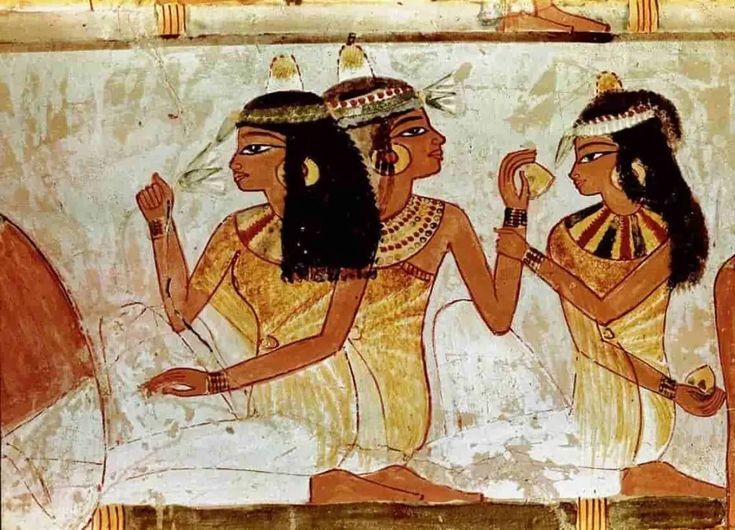
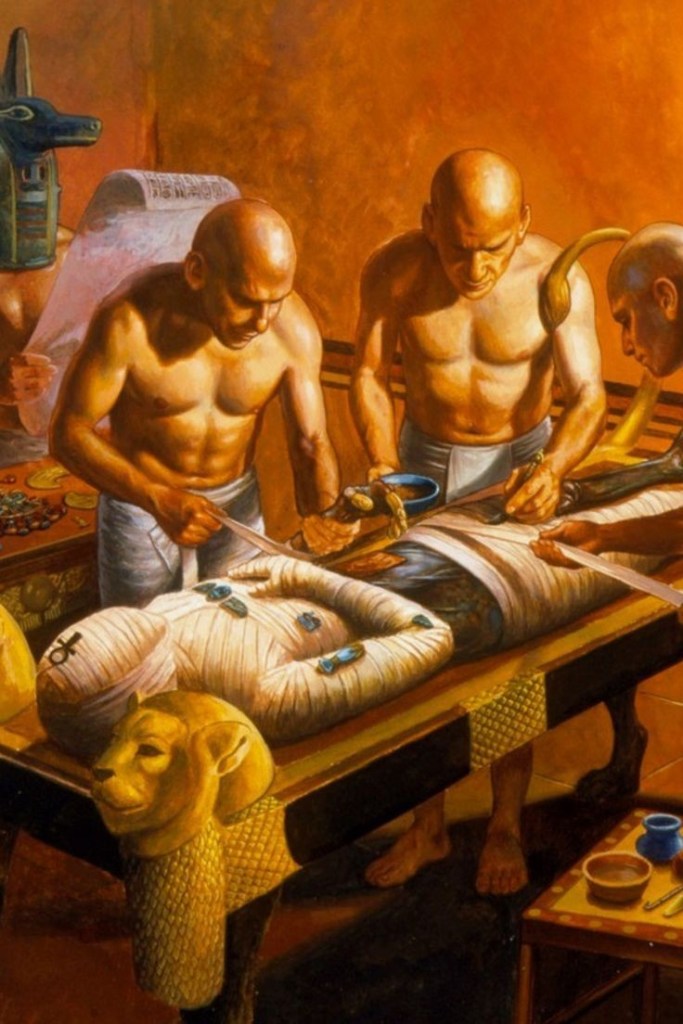
Perfumes were also used in the embalming process to preserve the bodies of the deceased. The Egyptians believed that perfumes could help the soul of the deceased on its journey to the afterlife and therefore, the embalming process was considered an important part of the funeral rites.
References:
Ali, S. I. (2003). Perfumes and fragrances of ancient Egypt. Journal of the American Research Center in Egypt, 40, 1-17.
Dunn, J. (n.d.). The History of Perfume.
Koura, N. (2017). Perfume in Ancient Egypt. The Journal of Aesthetic Education, 51(2), 104-120.
Lucas, A., & Harris, J. R. (1999). Ancient Egyptian materials and industries. Courier Corporation.

