Sunscreen is a crucial part of any skincare routine, particularly during the summer months when the sun is at its strongest. It protects the skin from the harmful effects of ultraviolet (UV) rays, which can cause sunburn, premature aging, and even skin cancer. When shopping for sunscreen, you may come across terms like SPF and PA. These terms refer to different aspects of sun protection and understanding the difference between them is essential in choosing the right sunscreen for your needs.
SPF
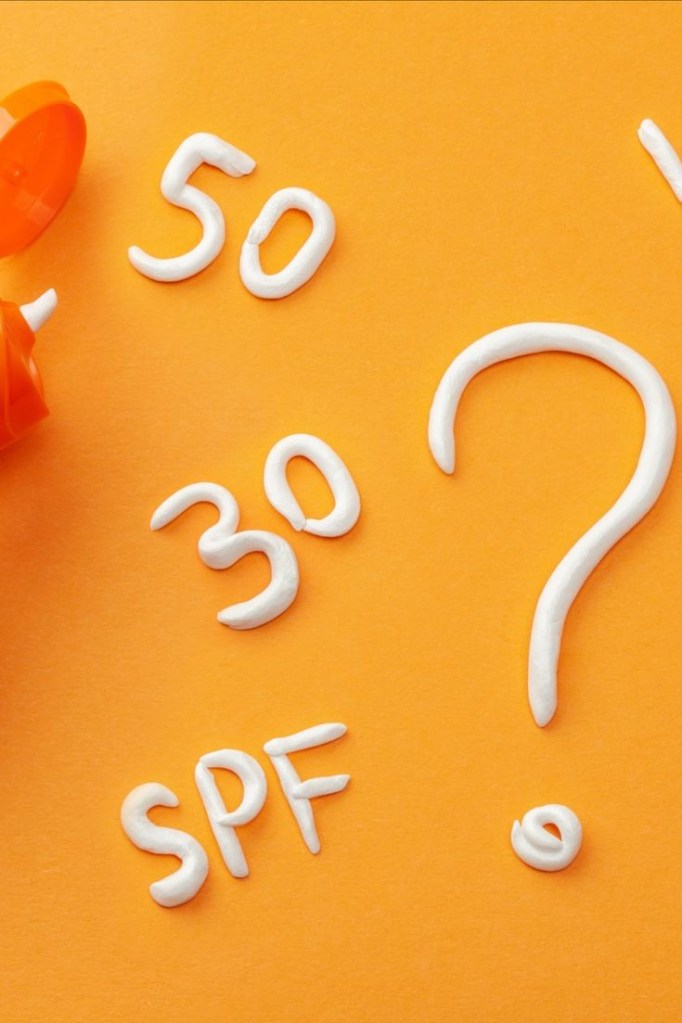
SPF stands for Sun Protection Factor, which is a measure of how well a sunscreen protects against UVB rays. UVB rays are responsible for causing sunburn and are also a leading cause of skin cancer. The higher the SPF number, the more protection a sunscreen offers against UVB rays. For example, an SPF 30 sunscreen will block about 97% of UVB rays, while an SPF 50 sunscreen will block about 98% of UVB rays.
It’s important to note that the level of protection offered by a sunscreen depends on how much is applied and how often it is reapplied. The American Academy of Dermatology recommends using a broad-spectrum sunscreen with an SPF of at least 30, applied 15 minutes before going outside, and reapplied every two hours or immediately after swimming or sweating.
PA
PA stands for Protection Grade of UVA, which is a measure of how well a sunscreen protects against UVA rays. UVA rays penetrate deeper into the skin than UVB rays and are responsible for causing long-term damage such as premature aging and skin cancer. Unlike SPF, there is no standardized system for measuring UVA protection, but the PA rating is commonly used in Asian countries.
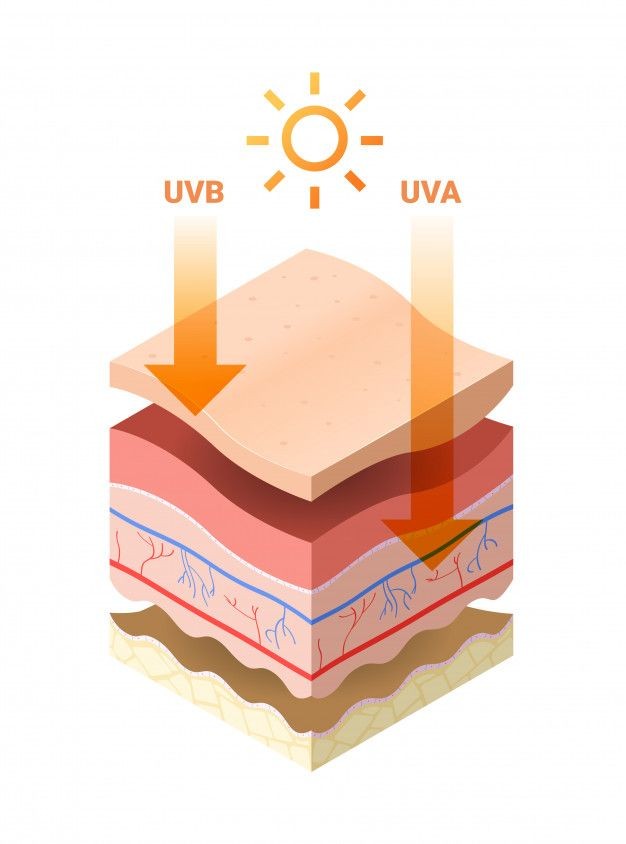
The PA rating system uses plus signs to indicate the level of UVA protection. A sunscreen with a PA+ rating provides some UVA protection, while a sunscreen with a PA++++ rating provides the highest level of UVA protection. The more plus signs, the higher the level of UVA protection.
It’s worth noting that some sunscreens may only provide protection against UVB rays, so it’s important to look for a broad-spectrum sunscreen that offers both UVA and UVB protection. Additionally, it’s important to remember that no sunscreen can provide complete protection against the sun’s harmful rays. It’s still important to take other precautions such as seeking shade, wearing protective clothing, and avoiding sun exposure during peak hours.
 A Little This and That of Life
Thankyou Shivani ma’am !!
It was very helpful for me. Finally I got the clarity of sunscreen and its usage.
LikeLiked by 1 person
Thanks a lot Saumya!
LikeLike